
Stroke Rehabilitation Adelaide
Physiotherapy, Exercise Physiology, hydrotherapy and neuro rehabilitation for adults after stroke.
A stroke can change the way you move, walk, balance and manage everyday activities.
Active Neuro provides community-based stroke rehabilitation from our dedicated neurological rehabilitation facility in Welland, Adelaide.
Whether you have recently returned home from hospital, completed inpatient rehabilitation or are looking to continue working towards longer-term goals, our team can help you build a rehabilitation pathway around what matters to you.
- EVERY STROKE IS DIFFERENT
Your rehabilitation should be too
A stroke affects the brain. Which abilities are affected depends on factors including where the stroke occurred and how the individual has been affected.
One person may experience significant difficulty walking.
Another may be independently mobile but have reduced balance.
Someone else may be dealing with weakness, coordination changes, fatigue or reduced confidence. Physical changes after stroke can include:
- Weakness on one side of the body
- Difficulty walking
- Reduced balance
- Reduced mobility
- Reduced confidence with movement
- Difficulty transferring
- Changes in sensation
- Muscle stiffness or changes in muscle tone
- Fatigue
- Reduced cardiovascular fitness
That’s why we don’t use a standard “stroke program.”
We assess how your stroke has affected you and what you want to work towards.
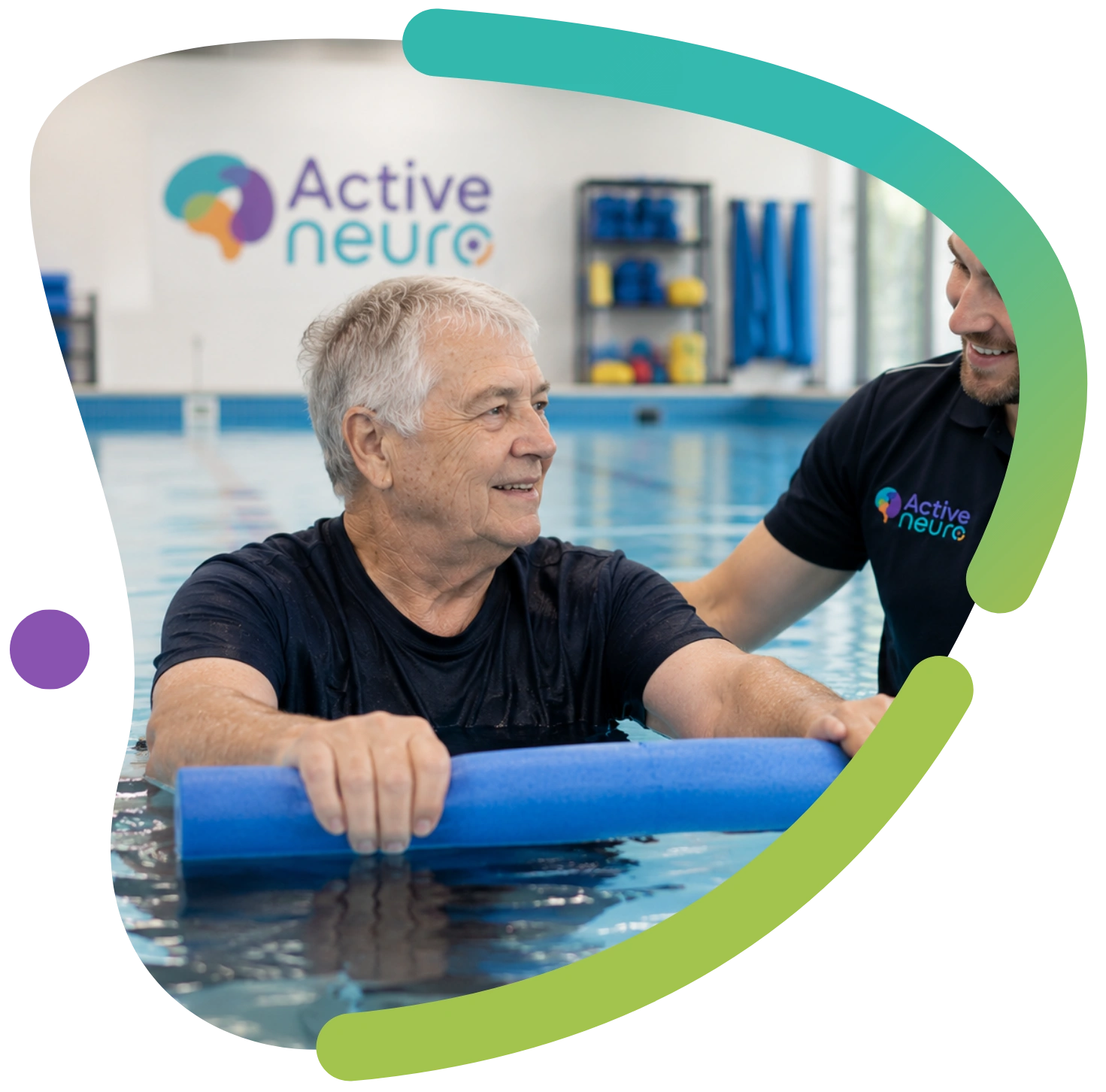
- WHERE ARE YOU IN YOUR RECOVERY?
Stroke rehabilitation doesn't only happen in hospital
Stroke rehabilitation may begin in hospital soon after the stroke.
Depending on your needs, you may then move through:
- Weakness on one side of the body
- Inpatient or home-based rehabilitation
- Community neurological rehabilitation
- Ongoing exercise and physical activity
Not everyone follows the same pathway.
Some people come to Active Neuro soon after discharge.
Others have been living with the effects of stroke for months or years and want to work towards new goals.
There isn’t a single point at which rehabilitation automatically becomes irrelevant.
Your current abilities, health and goals determine what may be appropriate now.
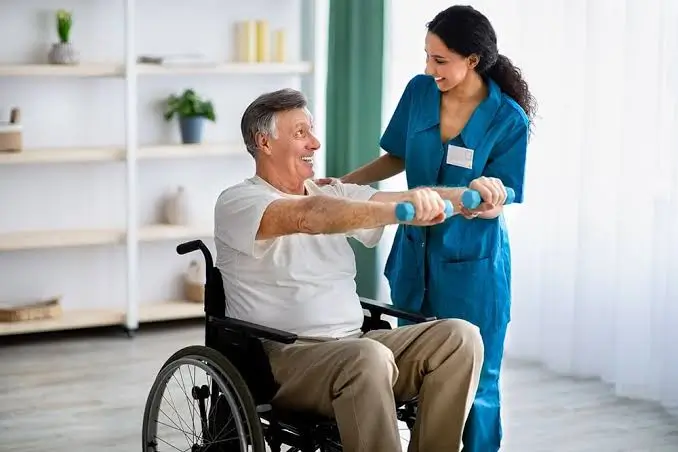
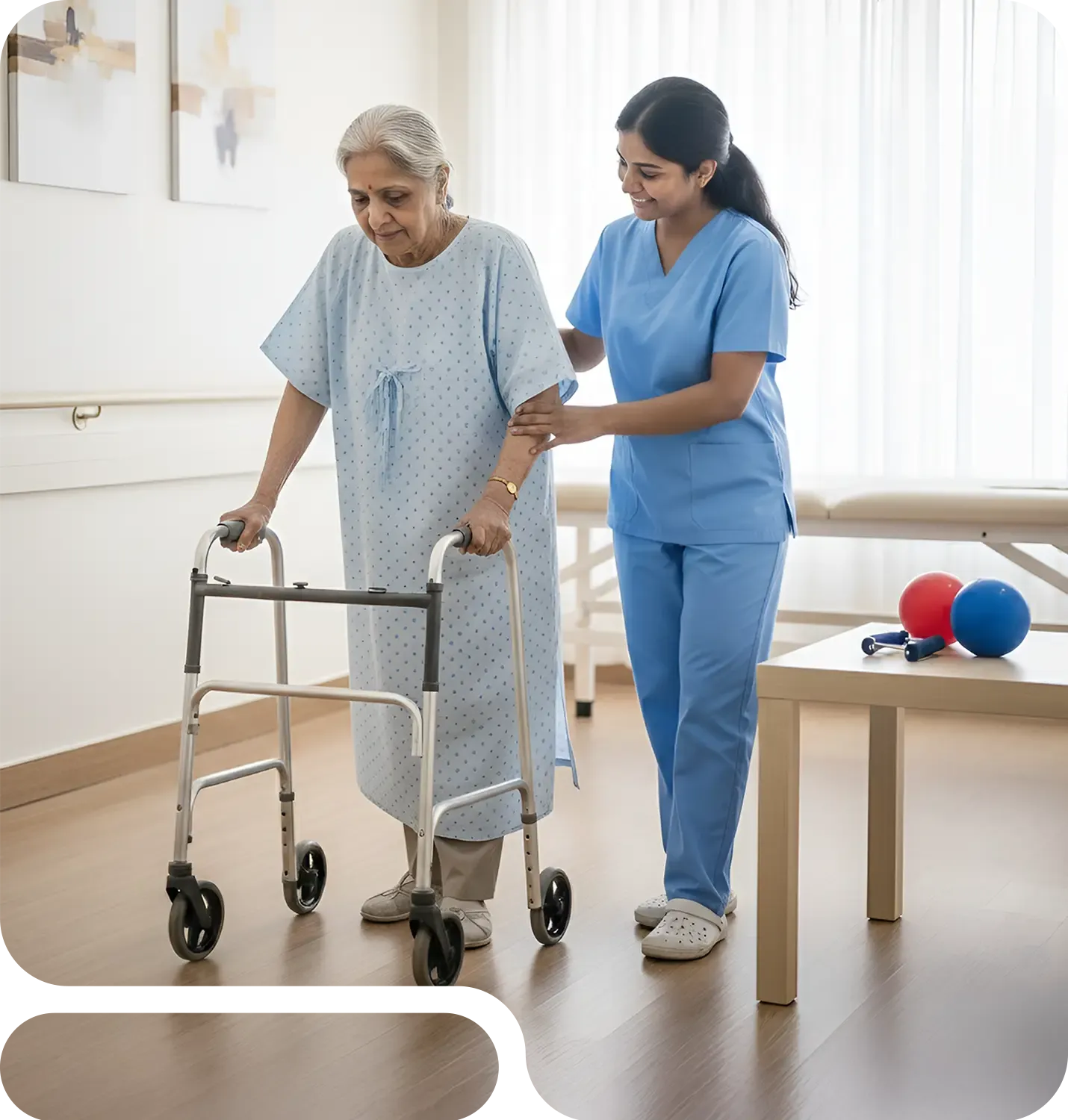
- YOUR FIRST STROKE REHABILITATION ASSESSMENT
Start with where you are now
Your first appointment helps us understand how the stroke has affected you.
Your clinician may discuss:
- When your stroke occurred
- Your hospital and rehabilitation history
- Current medical management
- Previous therapy
- Walking and mobility
- Falls and balance
- Current exercise
- Other healthcare professionals involved
- Strength
- Transfers
- Fatigue
- Sensation
- Pain
- Equipment or mobility aids
- Your home environment
- Support available to you
- What you want to achieve next
The physical assessment will depend on your presentation.
It may include:
- Walking, balance, strength, Transfers
- Mobility, transfers, functional movements
- Endurance and, where appropriate, vestibular function
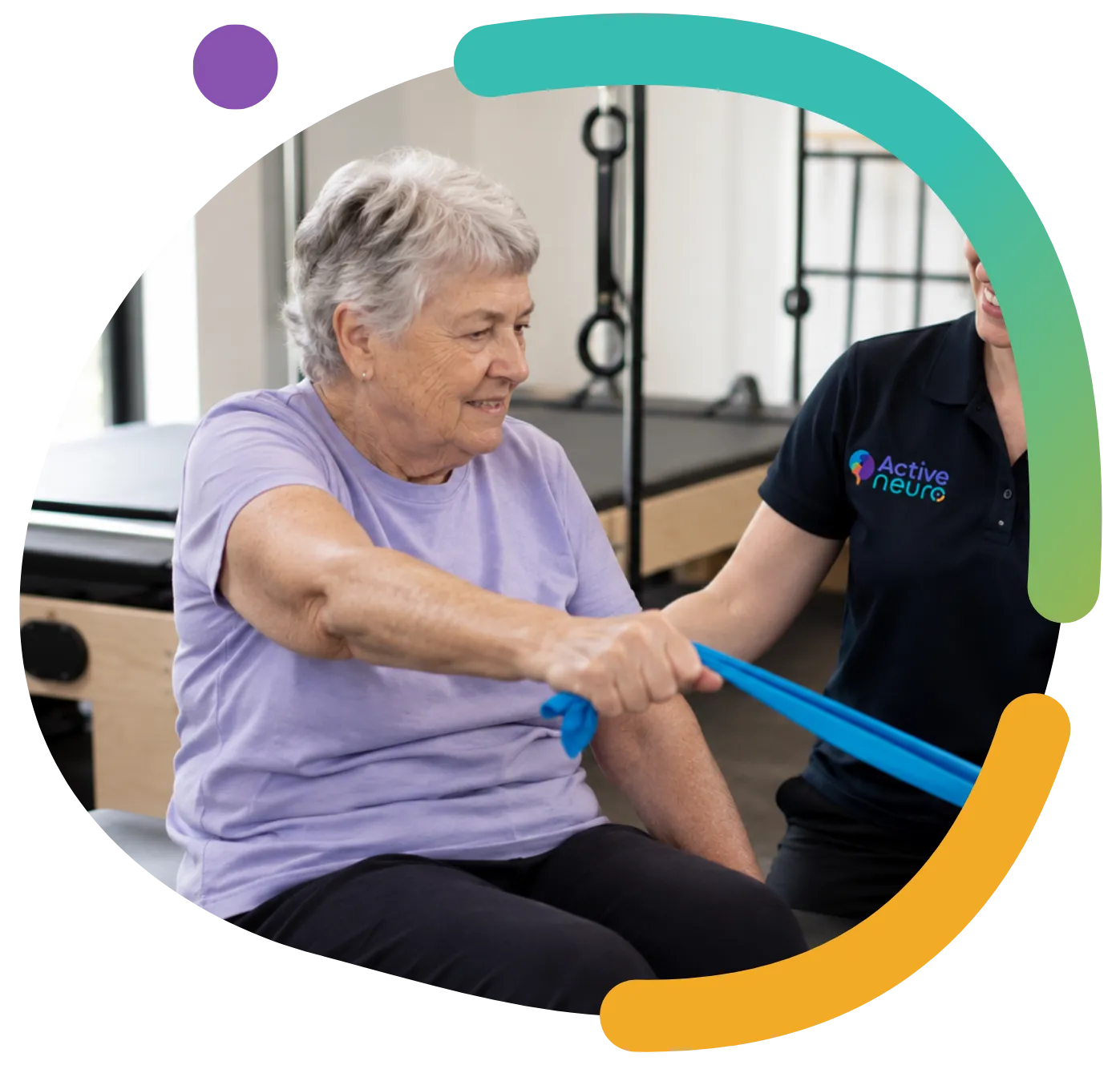
- SETTING GOALS
What would make a difference in your life?
Stroke rehabilitation goals should be meaningful to the person. You might want to:
- Stand from a chair more independently
- Walk around your home
- Walk outside
- Use stairs
- Improve your balance
- Return to community activities
- Reduce how much physical assistance you need
- Increase walking distance
- Get stronger
- Return to exercise
- Improve fitness
- Feel more confident moving
Your goals help determine what rehabilitation should focus on. We don’t define independence for you. We help you work towards the level of movement and participation that matters in your life.
- PHYSIOTHERAPY AFTER STROKE
Relearning and practising movement
Physiotherapy is commonly involved in stroke rehabilitation when movement and physical function have been affected. Depending on your assessment, Physiotherapy may address:
Walking
Practising stepping and gait according to your current walking ability.
Transfers
Practising movements such as: Sit to stand Bed to chair Chair to chair Other everyday transfers
Balance
Working on balance challenges identified during assessment.
Coordination
Working on movements affected by changes in motor control or coordination.
Strength
Incorporating appropriate strengthening activities.
Mobility
Developing the physical abilities required to move around your home and community.
Functional Movement
Practising meaningful physical tasks rather than movement in isolation.
- PRACTICE + REPETITION
Why might I repeat the same movement many times?
Recovery after stroke involves the nervous system learning and adapting.
One important rehabilitation principle is task-specific practice.
In simple terms:
If walking is the goal, walking-related activities need to be practised.
If standing from a chair is the goal, that movement needs to be practised.
And practice often needs repetition.
This doesn’t mean repeating a movement without purpose.
The clinician can adjust:
- The task
- Level of assistance
- Environment
- Speed
- Number of repetitions
- Difficulty
- Feedback
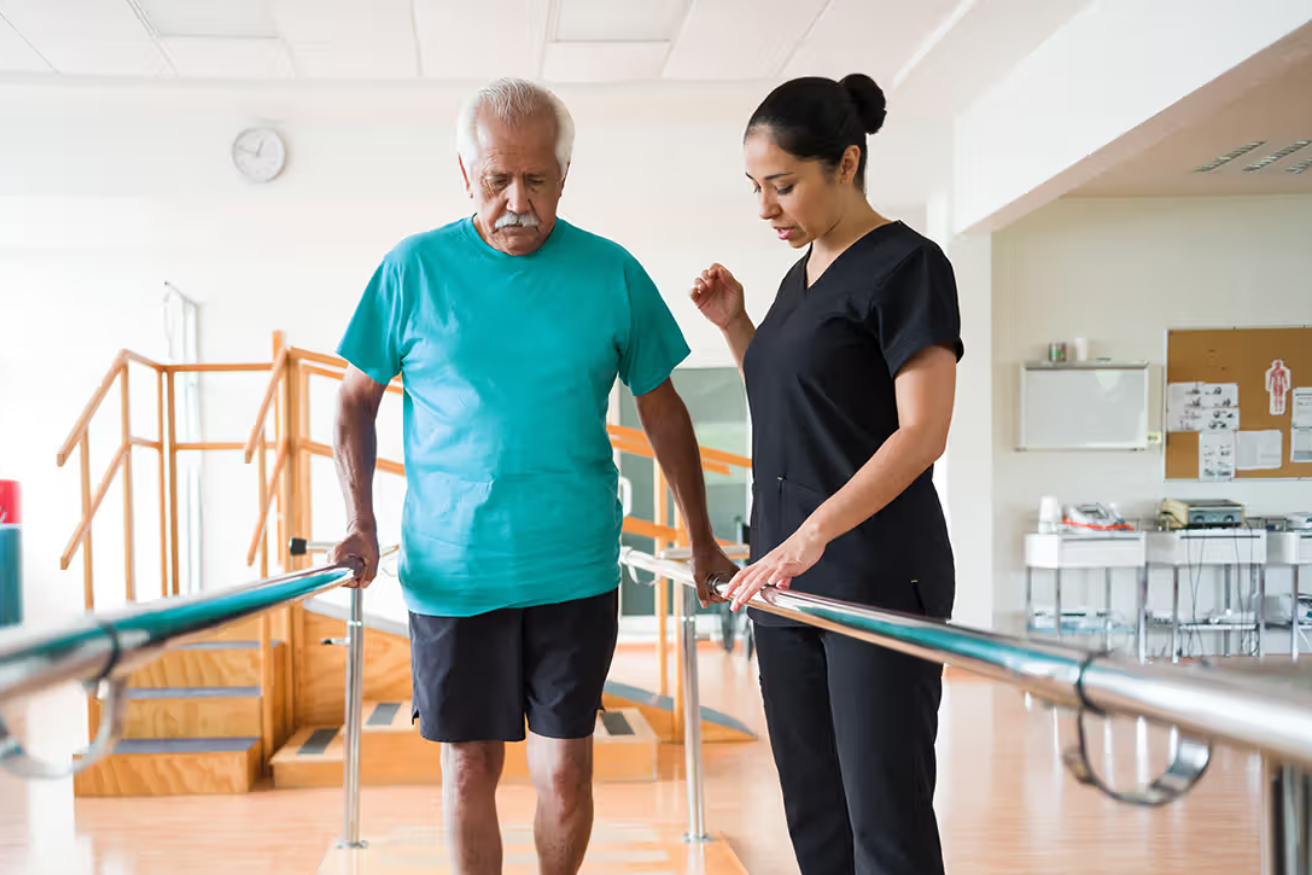
- WALKING AFTER STROKE
Can walking improve after stroke?
Walking recovery varies considerably.
Some people regain independent walking.
Others continue to require mobility aids or physical assistance.
Your Physiotherapist can assess how you walk and identify physical factors that may be appropriate to work on.
Walking rehabilitation may include:
- Walking endurance
- Turning
- Direction changes
- Repeated gait practice
- Different environments
- Stair practice
- Stepping
- Weight transfer
- Balance
- Strength
- Repeated gait practice
The appropriate approach depends on your abilities and goals.
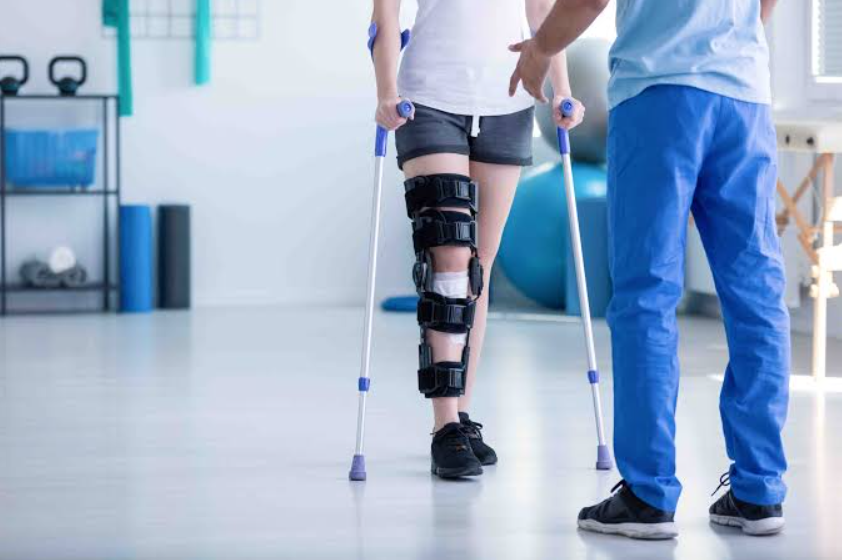
- Contact uS
Your next step starts with a conversation.
Whether you’re looking for rehabilitation for yourself, helping a family member or referring a client, our team can help you understand the options available at Active Neuro.