
Hydrotherapy for Neurological Conditions in Adelaide
Move and exercise in the supportive environment of warm water.
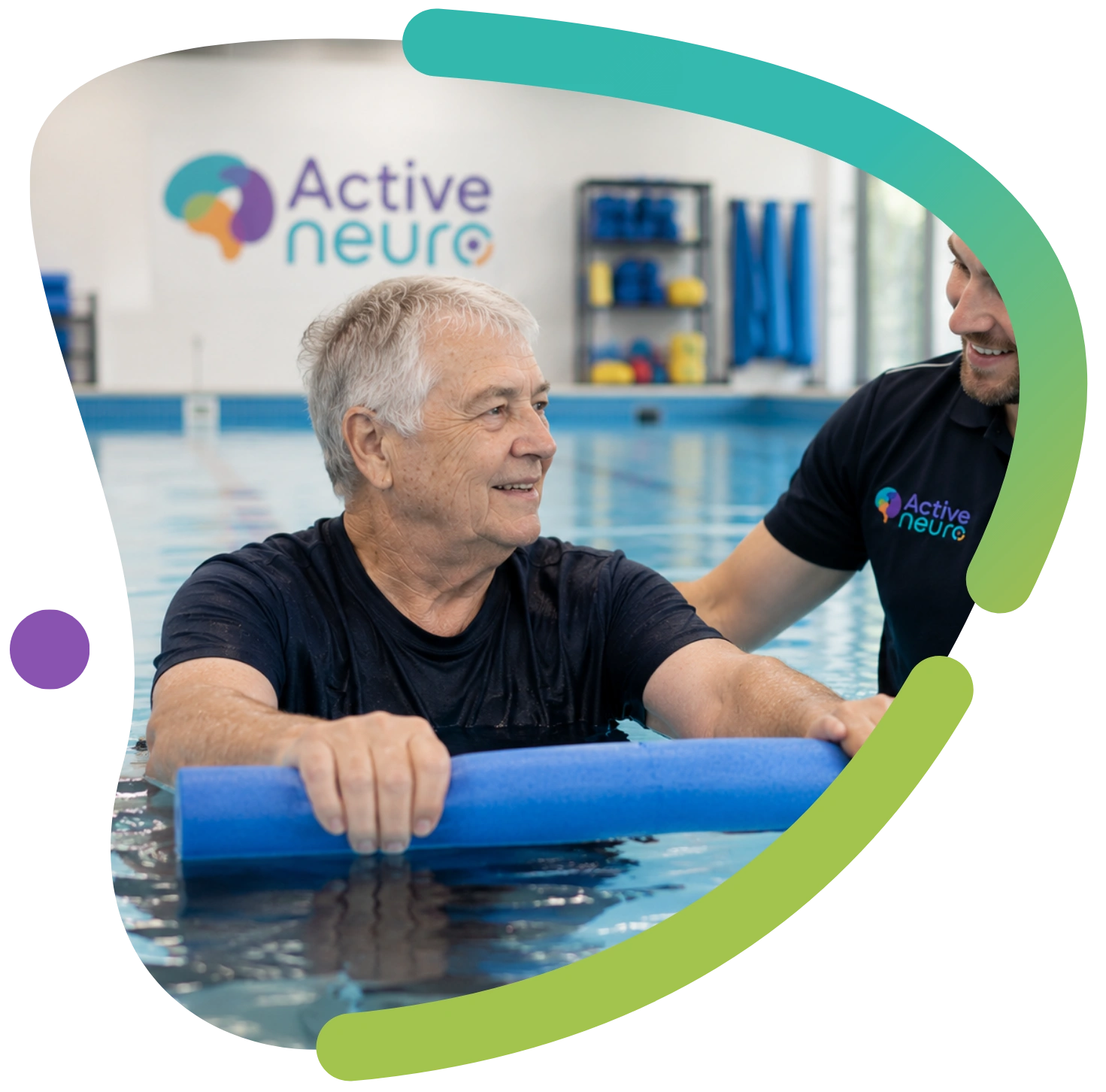
Active Neuro provides individual hydrotherapy for adults living with neurological conditions, brain and spinal injuries, and challenges with movement, balance or physical function.
Our Welland facility features two dedicated hydrotherapy pools heated to approximately 34°C, allowing aquatic rehabilitation to be combined with Physiotherapy, Exercise Physiology and neuro gym rehabilitation — all from the same location.
Hydrotherapy may be used to work on movement, strength, balance, mobility, fitness and confidence with exercise when the aquatic environment is appropriate for your needs.
- WHAT IS HYDROTHERAPY
Rehabilitation and exercise in warm water
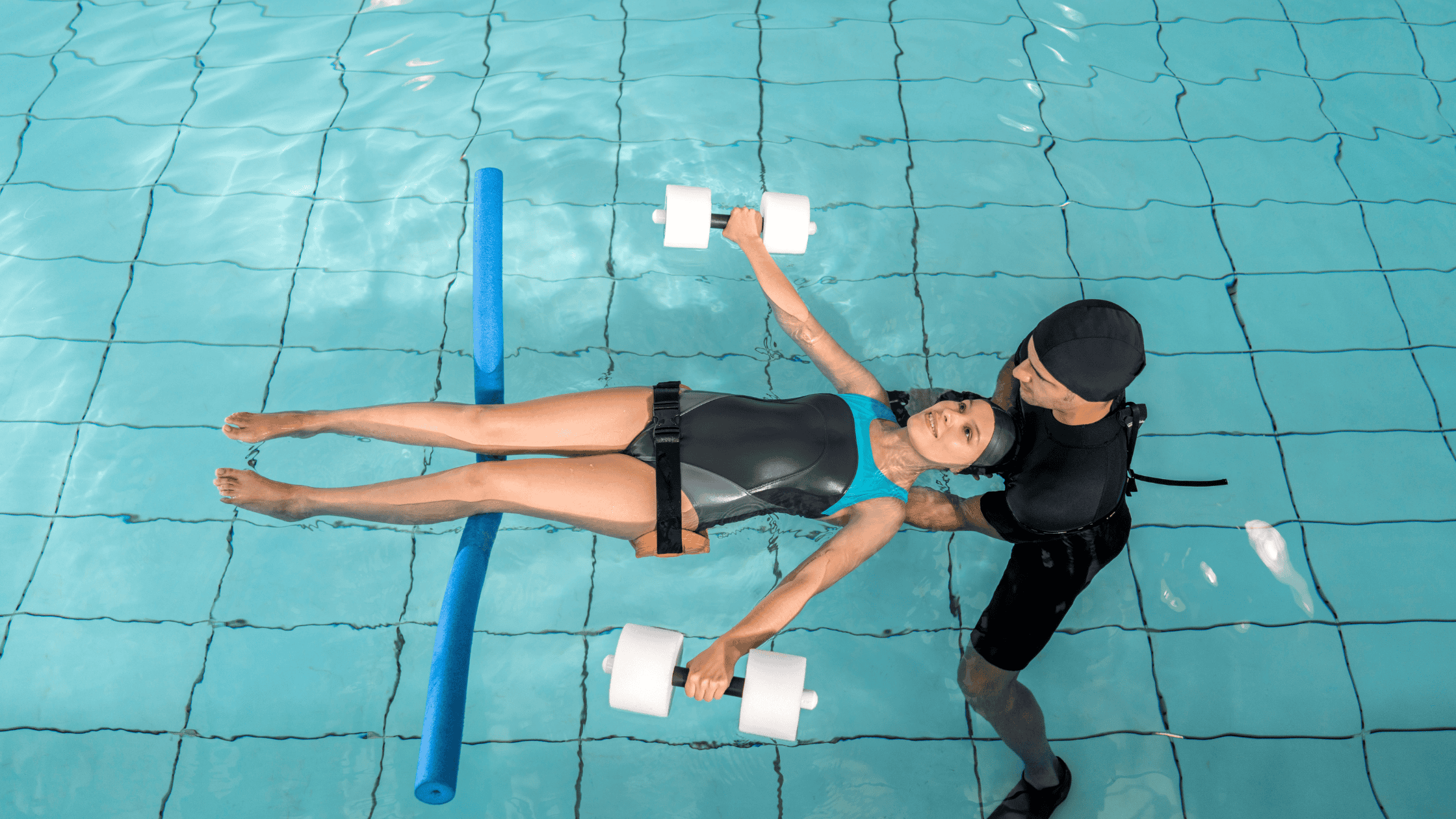
Hydrotherapy — also known as aquatic therapy or aquatic rehabilitation — uses the properties of water as part of an individual rehabilitation or exercise program.
At Active Neuro, hydrotherapy is delivered by appropriately qualified Physiotherapists and Exercise Physiologists.
The pool isn’t simply used for swimming.
Your clinician selects movements and exercises based on your:
- Neurological condition
- Current abilities
- Symptoms
- Mobility
- Balance
- Strength
- Exercise tolerance
- Safety considerations
- Rehabilitation goals
Your hydrotherapy program can then be modified and progressed as your abilities change.
- WHY WATER
How does hydrotherapy change the way you move?
Moving in water is different from moving on land.
Several physical properties of water can change how movements and exercises feel.
Buoyancy
Water provides upward support to the body. Depending on water depth and body position, this can reduce the amount of body weight that needs to be supported during some movements. This may create opportunities to practise particular movements or exercises differently from how they are performed on land.
Resistance
Water provides resistance as you move through it. The speed, direction and surface area of a movement can be changed to alter the amount of resistance. This allows clinicians to use the aquatic environment during strengthening and conditioning exercises.
Support during movement
The surrounding water provides a different physical environment for activities involving balance, walking and movement. For some people, this can create another way to practise physical activities while being supported by the aquatic environment.
Warm water
Active Neuro's hydrotherapy pools are maintained at approximately 34°C. The warm aquatic environment can make hydrotherapy a comfortable setting for movement and exercise.
- WHAT CAN HYDROTHERAPY WORK ON
Your pool program should have a purpose
Hydrotherapy isn’t appropriate simply because someone has a neurological condition.
It should be selected because the aquatic environment offers a useful way to work towards particular goals.
Depending on your assessment, a hydrotherapy program may involve:
Walking and gait practice
The water may provide a different environment in which to practise stepping, walking and changes of direction.
Cardiovascular exercise
Walking, repeated movement and other aquatic exercises can be used to develop exercise tolerance and cardiovascular fitness where appropriate.
Balance
Aquatic activities can be designed to challenge balance and postural control at an appropriate level.
Endurance
Exercise duration and intensity can be progressed according to the individual's abilities.
Strength
Water resistance can be incorporated into strengthening exercises.
Functional movement
Hydrotherapy may incorporate movements that relate to a person's broader rehabilitation goals.
Mobility
Clients may practise movements related to mobility and functional activity.
Confidence with movement
For some people, the pool provides another environment in which to practise and experience movement.
- WHO MAY USE HYDROTHERAPY
Hydrotherapy for neurological conditions
Aquatic rehabilitation has been studied across a variety of neurological conditions.
Whether it is appropriate for you depends on your individual presentation and assessment.
Active Neuro may provide hydrotherapy for adults living with conditions including:
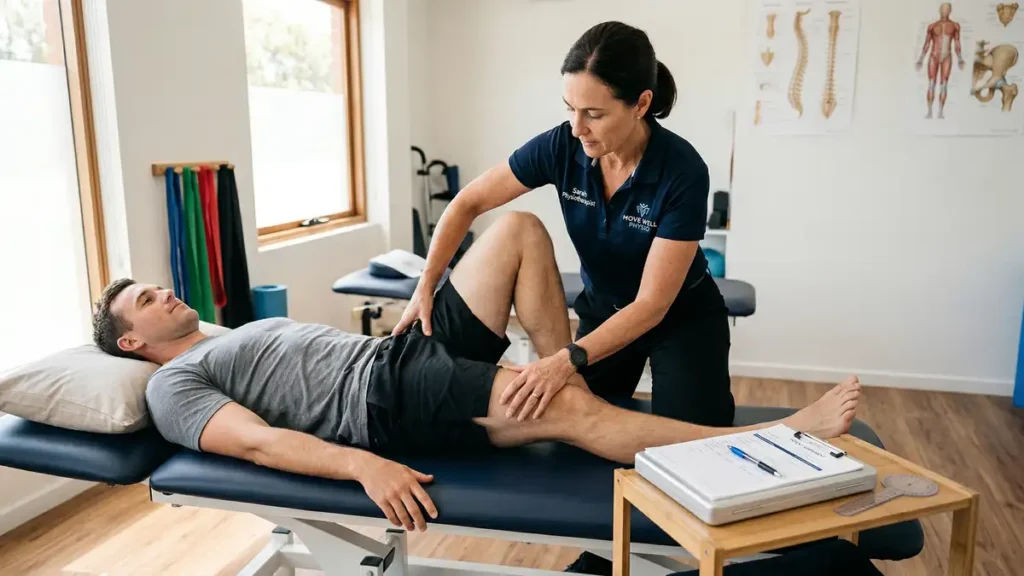
Stroke
Hydrotherapy may be incorporated into rehabilitation following stroke for activities involving areas such as balance, walking, movement, strength and physical conditioning.
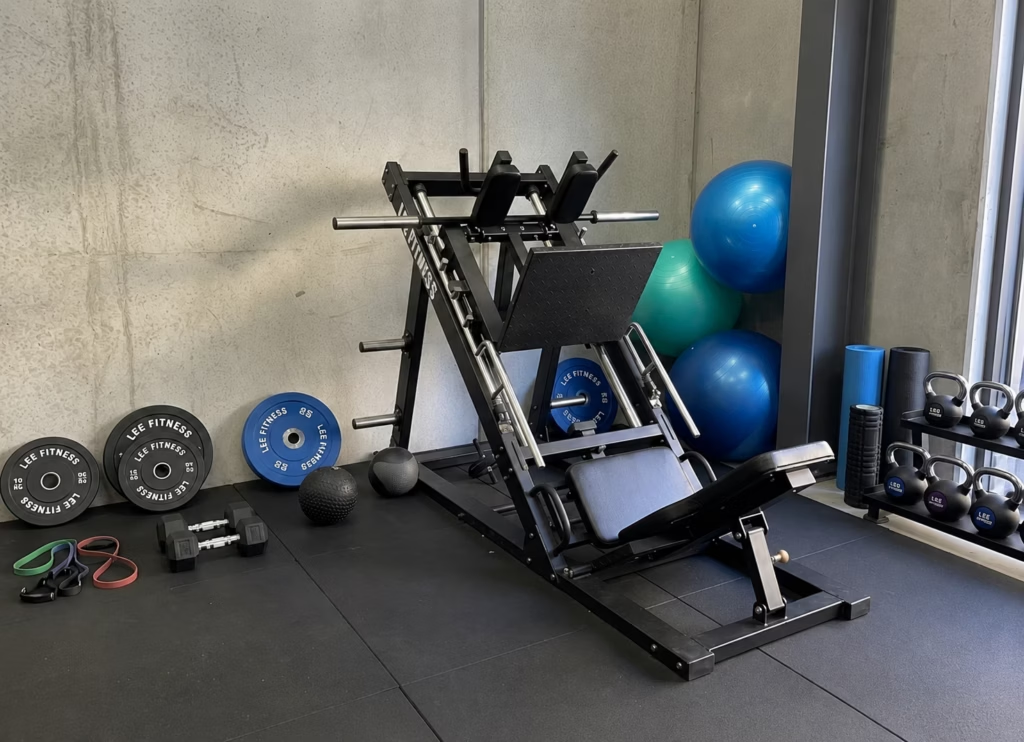
Parkinson's Disease
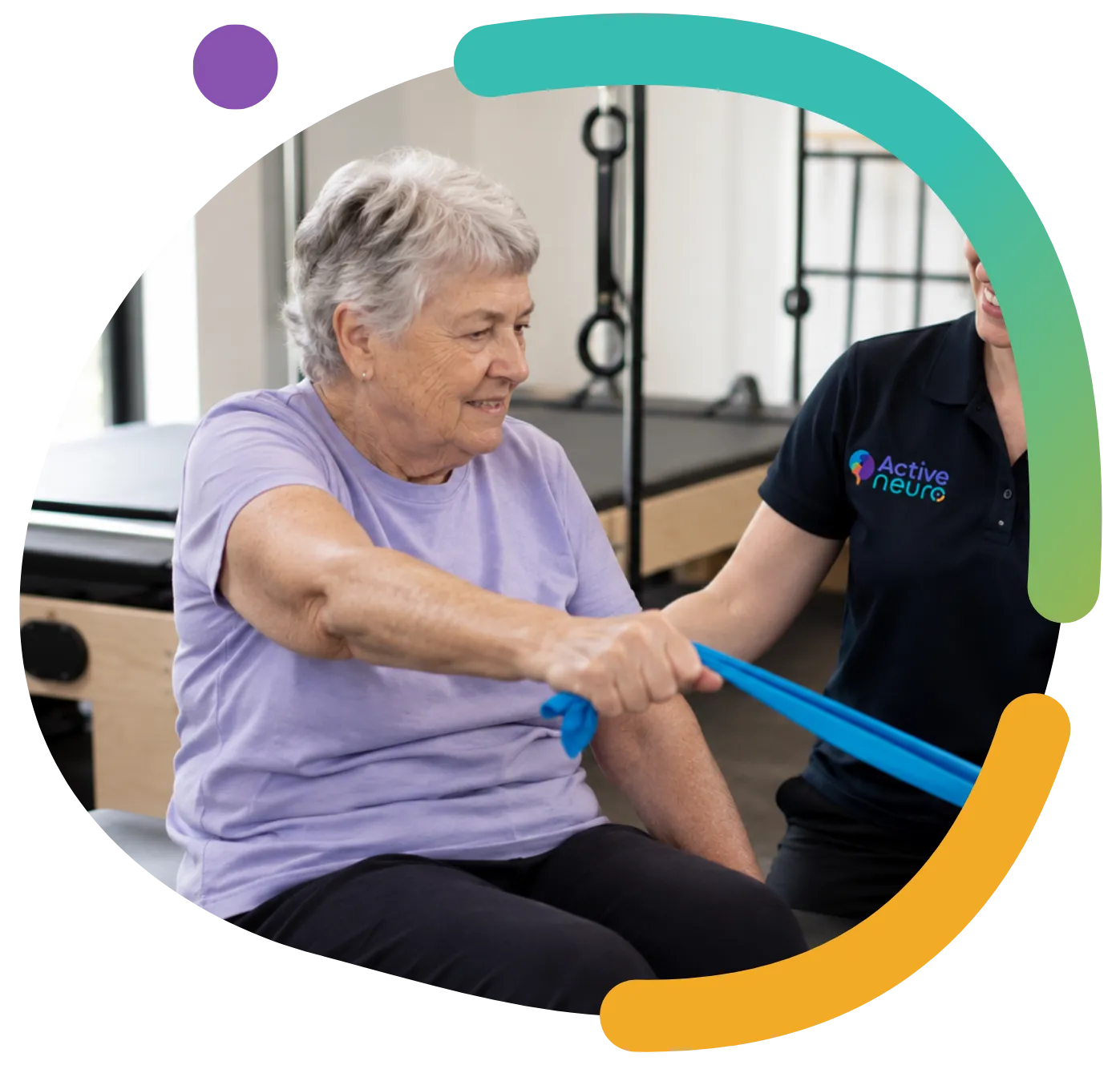
People living with Parkinson's disease may use aquatic exercise as one option for working on movement, balance, mobility, strength and physical activity.
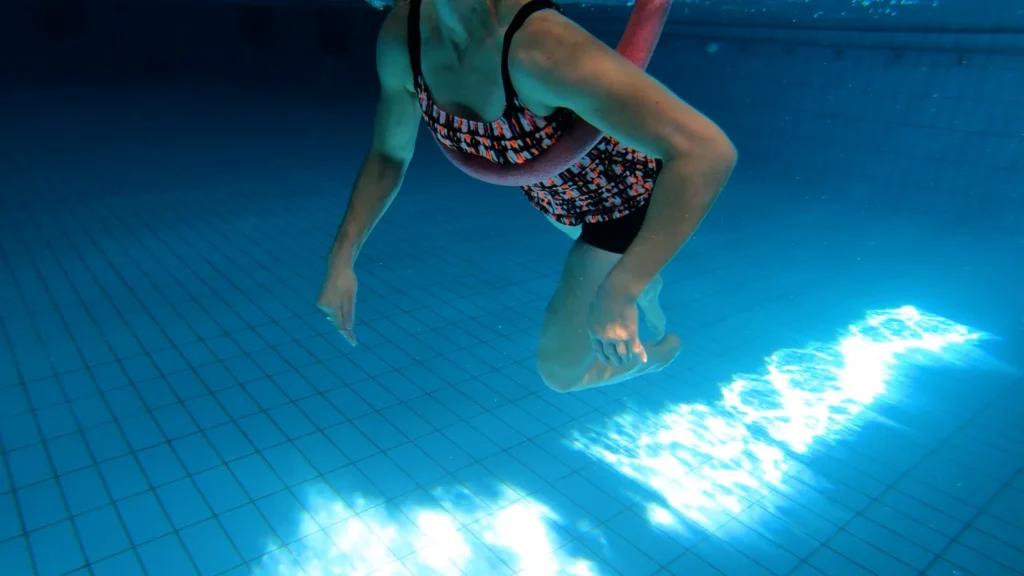
Multiple Sclerosis
Aquatic exercise can provide another way for people living with MS to work on mobility, physical function, fitness and exercise participation. Programs need to be adapted around the individual's symptoms and circumstances.

Acquired & Traumatic Brain Injury
Hydrotherapy may form part of a broader physical rehabilitation program following brain injury when aquatic exercise is appropriate.

Spinal Cord Injury
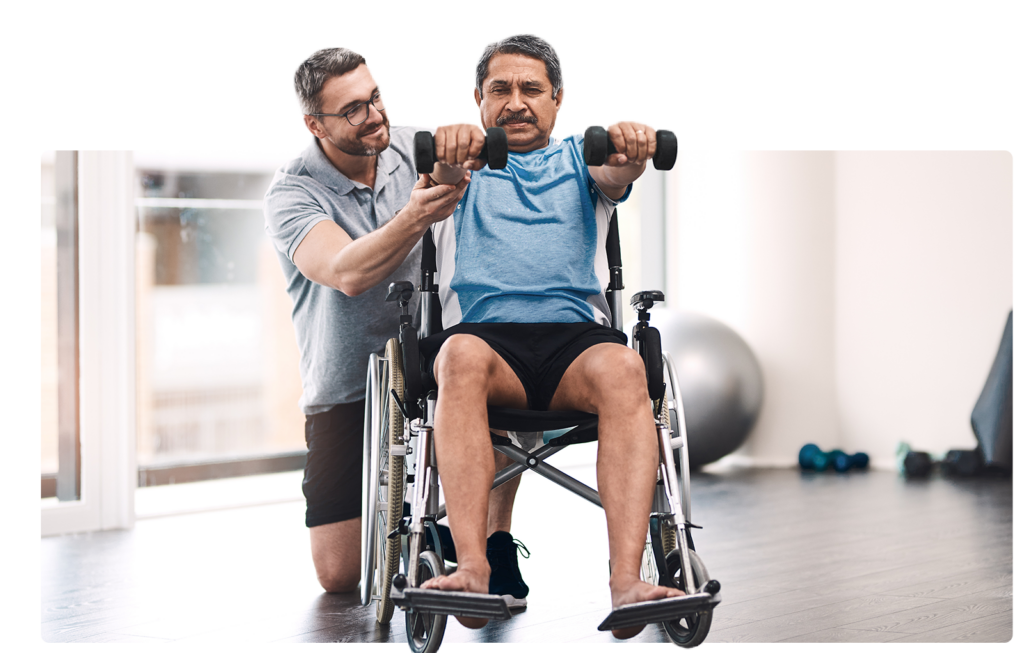
Aquatic rehabilitation may provide opportunities to exercise and practise movement within an environment where buoyancy changes how the body is supported. Suitability depends on the individual injury and medical circumstances.
Other Neurological Conditions
Adults with other neurological conditions may also be appropriate for aquatic rehabilitation.
- STROKE + HYDROTHERAPY
Can hydrotherapy be used after a stroke?
Yes, for suitable clients.
Aquatic therapy has been studied as part of stroke rehabilitation, including for outcomes involving balance and walking.
Hydrotherapy may allow a Physiotherapist or Exercise Physiologist to use the properties of water while working on activities such as:
- Walking
- Stepping
- Strength
- Mobility
- Exercise tolerance
- General physical conditioning
- PARKINSON'S + HYDROTHERAPY
Is hydrotherapy useful for Parkinson's disease?
Aquatic exercise is one of several types of exercise that have been studied in people living with Parkinson’s disease.
Current research suggests aquatic exercise can be a useful option for some people with Parkinson’s, although it has not been shown to be superior to land-based exercise for every outcome.
That is why we don’t automatically prescribe the pool simply because someone has Parkinson’s.
The right exercise environment depends on the individual.
- MULTIPLE SCLEROSIS + HYDROTHERAPY
Can people with MS exercise in a hydrotherapy pool?
For many people living with Multiple Sclerosis, aquatic exercise can be one way of participating in physical activity.
Recent research has investigated aquatic therapy for outcomes including:
- Fatigue
- Mobility
- Physical function
- Quality of life
However, MS affects everyone differently.
Factors such as fatigue, heat sensitivity, mobility, balance, fitness and other symptoms need to be considered when deciding whether hydrotherapy is appropriate.
Your clinician can assess these factors and modify the program accordingly.
- YOUR FIRST HYDROTHERAPY APPOINTMENT
What happens before I get in the pool?
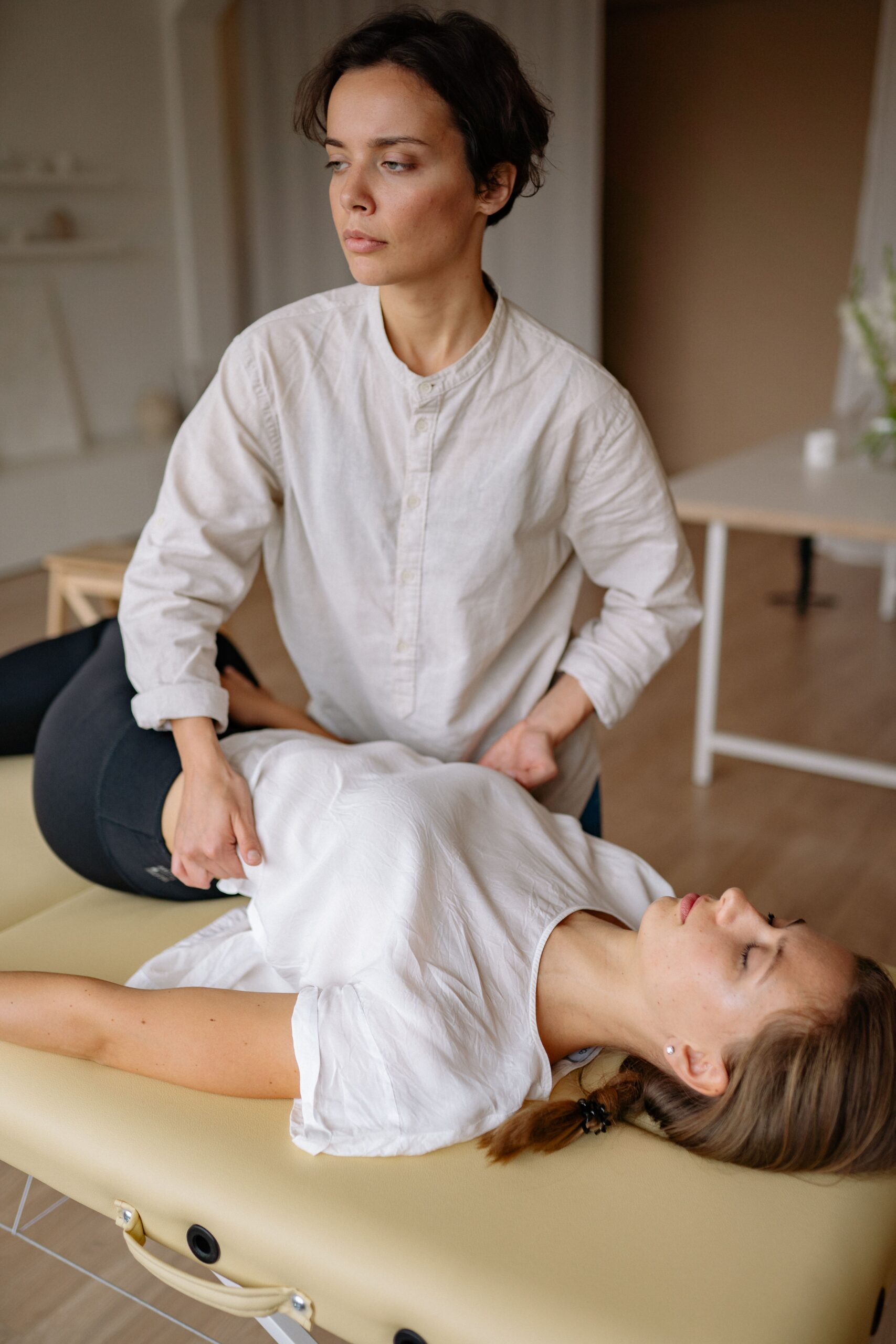
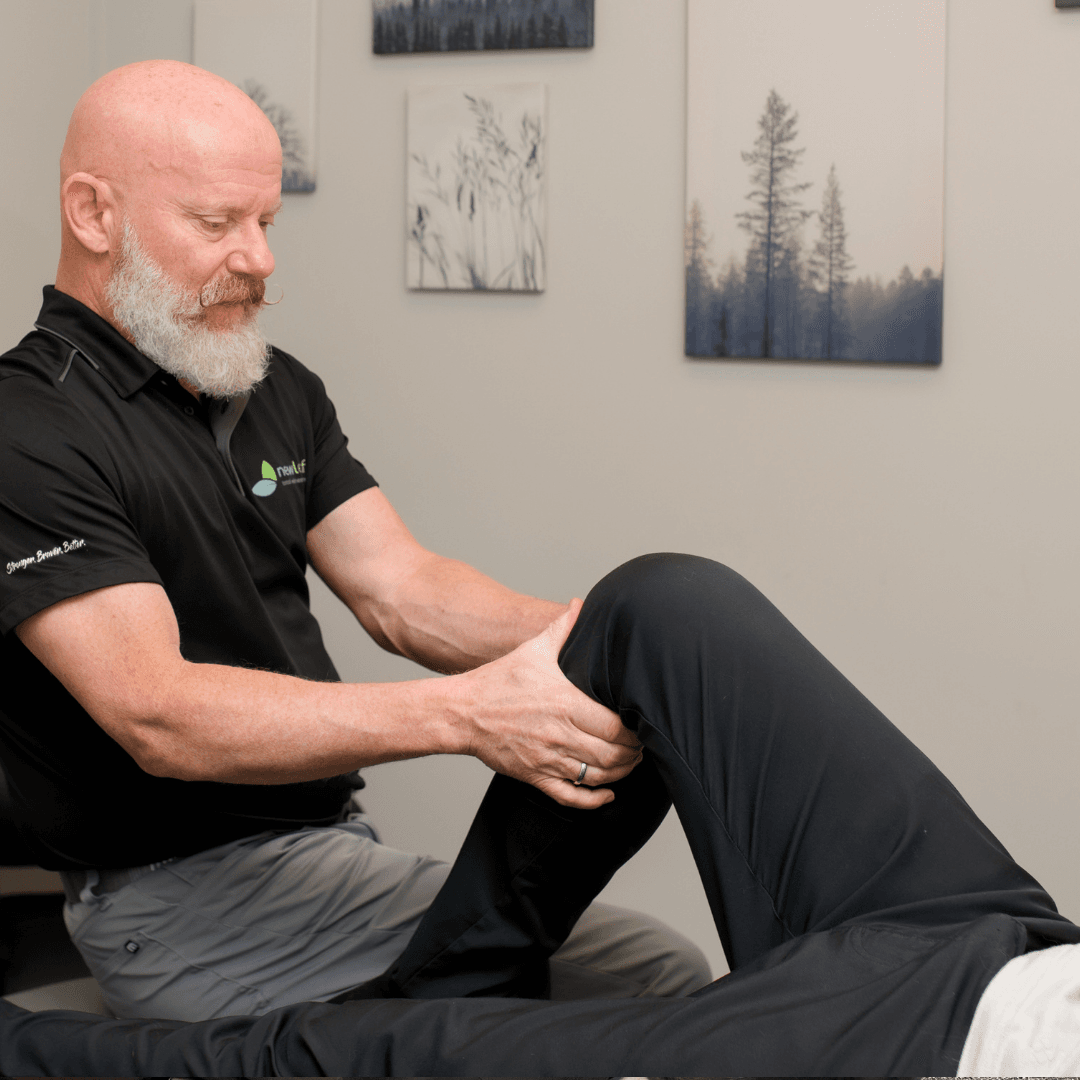
Hydrotherapy begins with an assessment.
Your clinician needs to understand your health, physical abilities and goals before determining whether the pool is appropriate.
This may include discussing:
- Neurological condition
- Medical history
- Mobility
- Balance
- Falls
- Skin integrity where relevant
- Continence where relevant
- Cardiovascular or respiratory conditions
- Seizure history where relevant
Your clinician can then determine whether hydrotherapy is suitable and how your program should begin.
- FAQs
Hydrotherapy FAQs
Neurological hydrotherapy is rehabilitation or therapeutic exercise performed in water for people whose movement or physical function has been affected by a neurological condition or injury.
A Physiotherapist or Exercise Physiologist selects aquatic exercises according to the person's abilities, medical circumstances and goals.
Hydrotherapy can be used as part of rehabilitation for some people after stroke.
Aquatic rehabilitation has been studied for areas including balance, walking and physical function. Whether it is appropriate depends on the individual's condition, abilities and rehabilitation goals.
Aquatic exercise can be a useful exercise option for some people living with Parkinson's disease.
Research suggests it may support several physical and quality-of-life outcomes, although aquatic exercise has not consistently been shown to be better than land-based exercise for all outcomes.
Many people living with MS can participate in appropriately prescribed aquatic exercise.
The program should take into account individual symptoms and circumstances, including mobility, fatigue and heat sensitivity.
Hydrotherapy is not swimming training.
It uses specific exercises and movements prescribed by a health professional to work towards rehabilitation or exercise goals.
Neither environment is automatically better.
The pool and gym provide different ways to perform movement and exercise.
A clinician can determine whether aquatic rehabilitation, land-based rehabilitation or a combination is appropriate for your goals.
- Contact uS
Your next step starts with a conversation.
Whether you’re looking for rehabilitation for yourself, helping a family member or referring a client, our team can help you understand the options available at Active Neuro.