
Physiotherapy
Physiotherapy for adults living with neurological conditions, brain and spinal injuries, and challenges with movement, balance or mobility.
A neurological condition can change the way you walk, balance, move and complete everyday activities.
Physiotherapy at Active Neuro starts by understanding how your condition is affecting you — and what you want to work towards.
From our dedicated neuro rehabilitation facility in Welland, Adelaide, our Physiotherapists provide individual assessment and rehabilitation focused on movement and physical function.
- WHAT IS NEUROLOGICAL PHYSIOTHERAPY?
Physiotherapy focused on the nervous system and movement
Physiotherapy for people whose movement and physical function have been affected by a condition or injury involving the brain, spinal cord or nervous system.
The effects of neurological conditions can vary significantly from person to person.
Depending on your condition, you may notice changes in:
- Walking
- Balance
- Strength
- Coordination
- Mobility
- Movement control
- Endurance
- Transfers, such as getting in and out of a chair
- Confidence with movement
- Your ability to complete everyday physical activities
Physiotherapy assesses how these changes are affecting you and develops rehabilitation around your current abilities and individual goals.
- WHO WE WORK WITH
What conditions can Physiotherapy support?
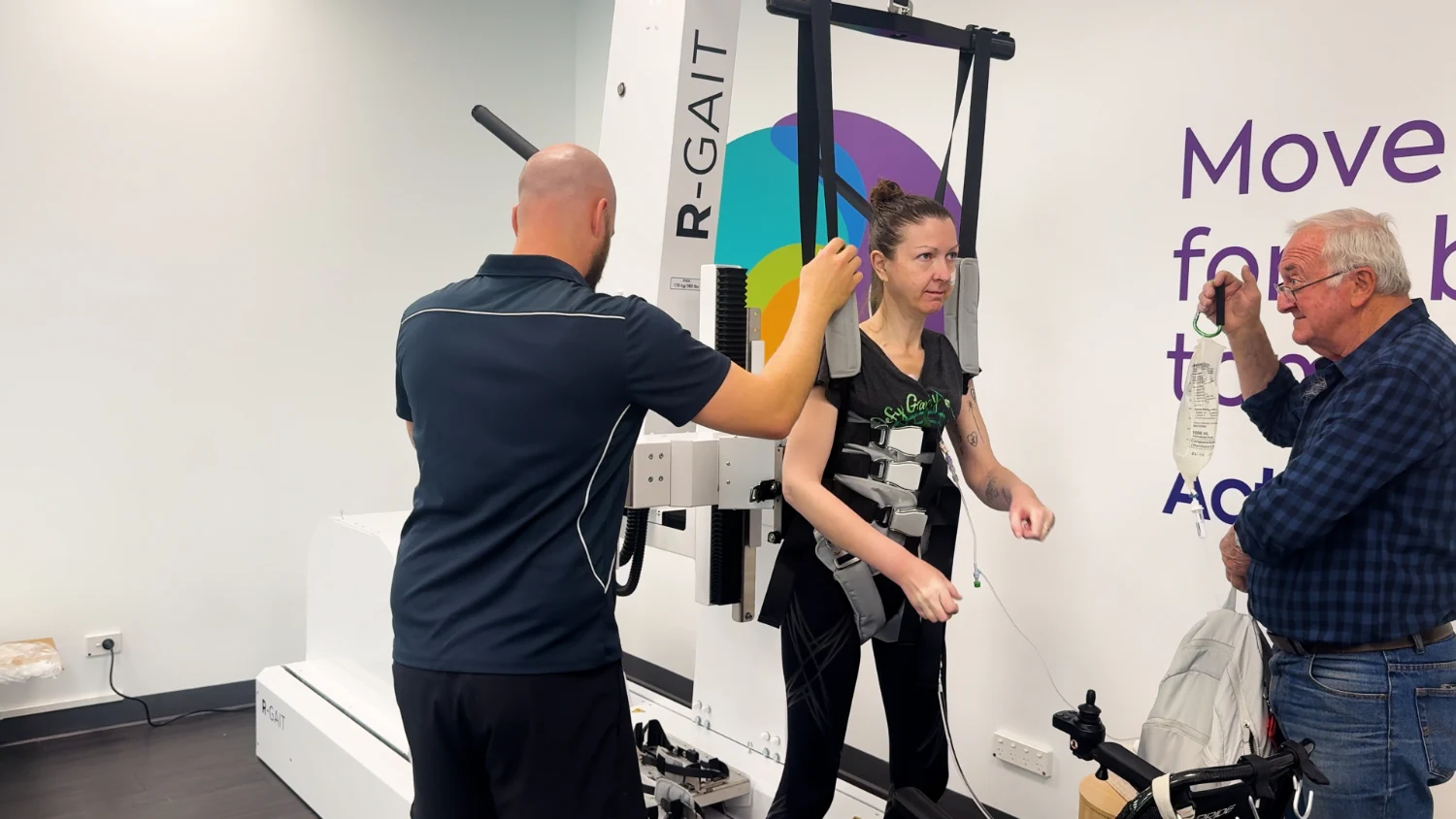
Our Physiotherapists work with adults living with a range of neurological conditions and injuries, including:
Stroke
Rehabilitation focused on movement, walking, balance, strength and everyday function following stroke.
Parkinson's Disease
Physiotherapy may address movement, walking, balance, mobility and physical capacity for people living with Parkinson's disease.
Cerebral Palsy
Individualised rehabilitation and exercise for children, young people and adults, supporting movement, mobility, strength, balance and participation.
Acquired & Traumatic Brain Injury
Rehabilitation following brain injury may involve movement, balance, walking, coordination, strength, endurance and functional activities depending on how the individual has been affected.
Multiple Sclerosis
Physiotherapy can be adapted according to how Multiple Sclerosis is affecting movement, balance, mobility, strength and physical function.
Spinal Cord Injury
Physiotherapy may form part of rehabilitation following spinal cord injury, with goals based on the individual's level of injury, physical abilities and circumstances.
Vestibular & Balance Disorders
Neurological Physiotherapy can also assess and manage some conditions affecting the vestibular system, which plays an important role in balance and spatial orientation.
Other Neurological Conditions
We also work with adults experiencing other neurological conditions that affect movement or physical function. If your condition isn't listed, talk to our team about whether Active Neuro may be appropriate for you.
- What Can OUR Physio Work On?
Your rehabilitation depends on your goals
There isn’t one standard Physiotherapy program. What you work on should be determined by your assessment, condition, abilities and goals. Your rehabilitation may include work on:
Walking
This may include practising aspects of gait, changing walking speed or distance, negotiating different environments or using an appropriate mobility aid.
Coordination and movement control
Rehabilitation activities can be selected according to the movement difficulties identified during assessment.
Balance
Balance rehabilitation may involve static and dynamic activities designed around the balance challenges identified during your assessment.
Mobility
Your Physiotherapist may work with you on strategies and physical abilities required to move around your home or community.
Strength
Strengthening exercises may form part of rehabilitation when reduced strength is affecting movement or physical function.
Endurance and physical capacity
Neurological conditions and periods of reduced activity can affect how much physical activity a person can comfortably complete.
Transfers
This may include practising movements such as standing from a chair, getting in and out of bed or moving between different surfaces.
Confidence with movement
A change in balance, walking or physical ability can also change how confident you feel moving. Rehabilitation can provide opportunities to practise meaningful activities in a supported environment.
- YOUR FIRST APPOINTMENT
What happens at a Physiotherapy assessment?
Your first appointment gives us an opportunity to understand both your neurological condition and the way it is affecting your life. We may discuss:
- Your diagnosis and medical history
- When your symptoms or injury began
- Previous rehabilitation
- Current symptoms and physical challenges
- Falls or changes in balance
- Walking and mobility
- Equipment or mobility aids you currently use
- Activities you're finding difficult
- Your home and community environment
- Other health professionals involved in your care
- What you would like to be able to do
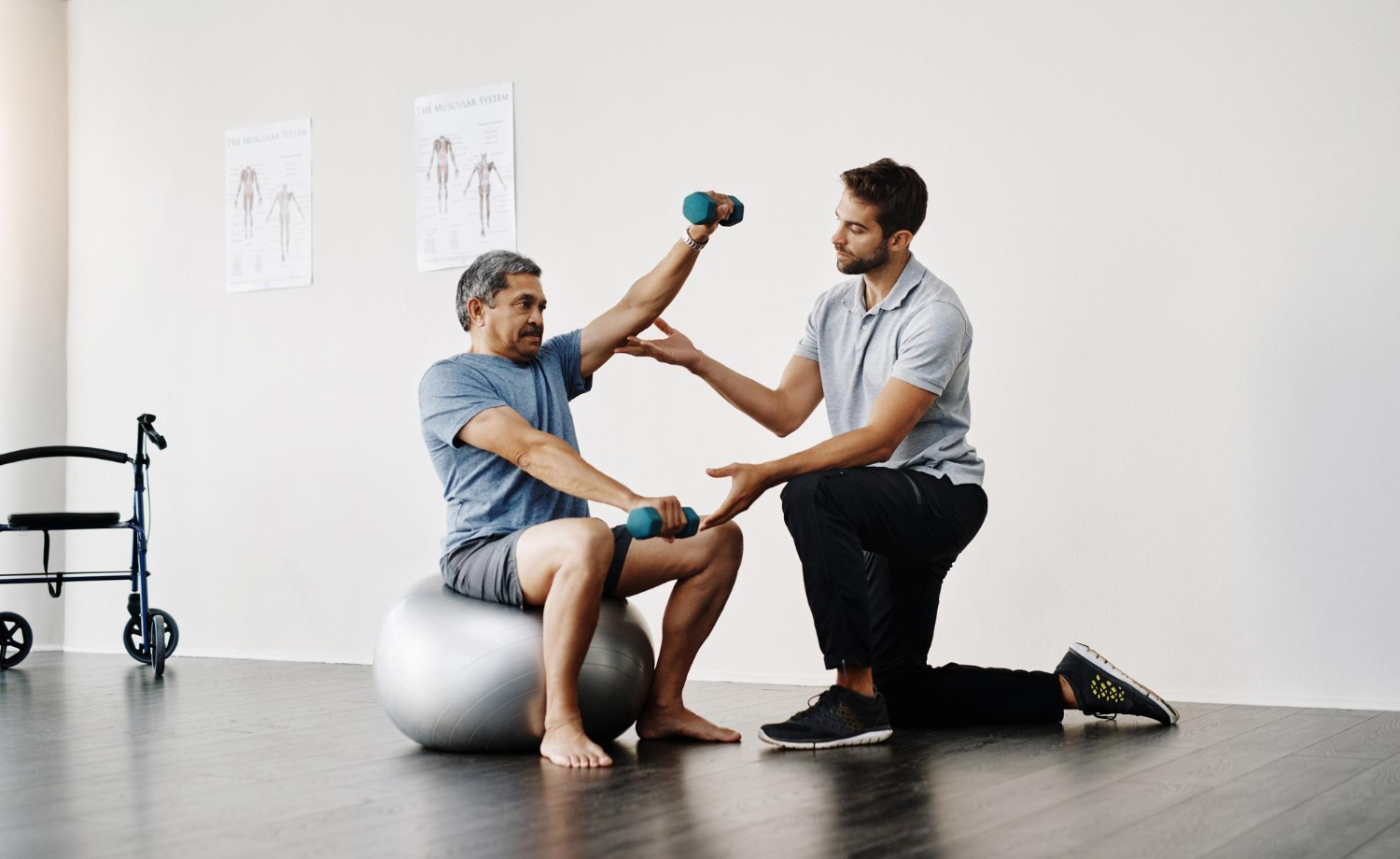
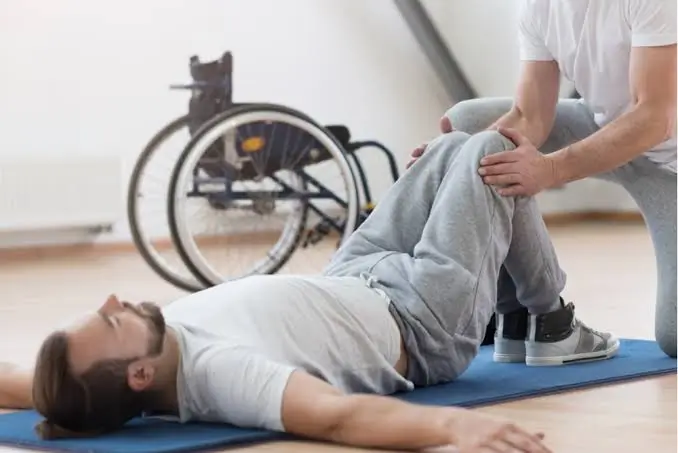
Your Physiotherapist may then assess relevant areas of movement and physical function. Depending on your presentation, this could include:
- Walking, balance, strength, coordination
- Mobility, transfers, functional movements
- Endurance and, where appropriate, vestibular function
Not every assessment will involve every area.
The assessment is individual to you.
- YOUR REHABILITATION PLAN
What happens after the assessment?
Your Physiotherapist will discuss the assessment findings with you and identify areas that may be appropriate to work on.
Together, you can establish rehabilitation goals and determine a plan.
Your plan may involve:
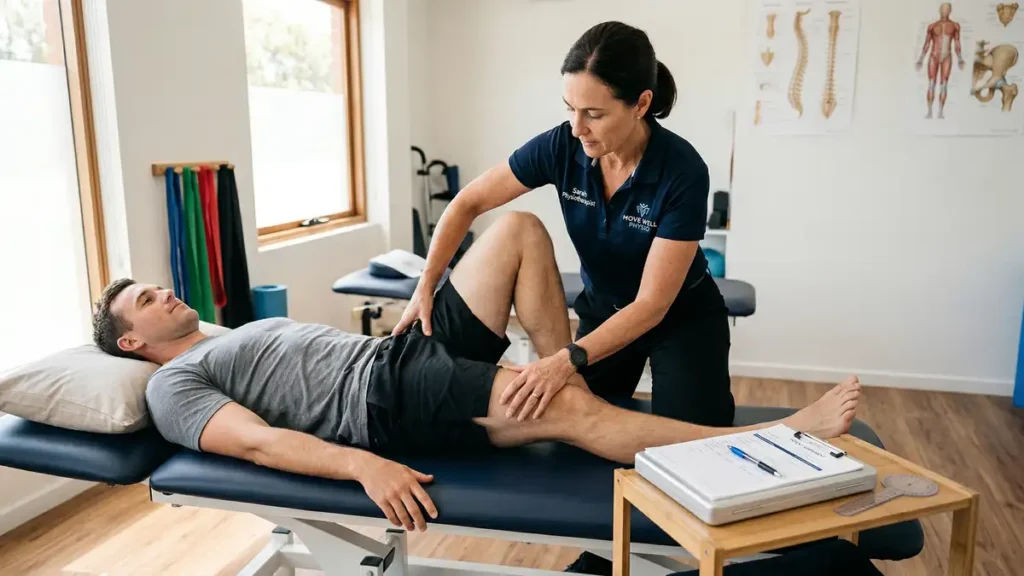
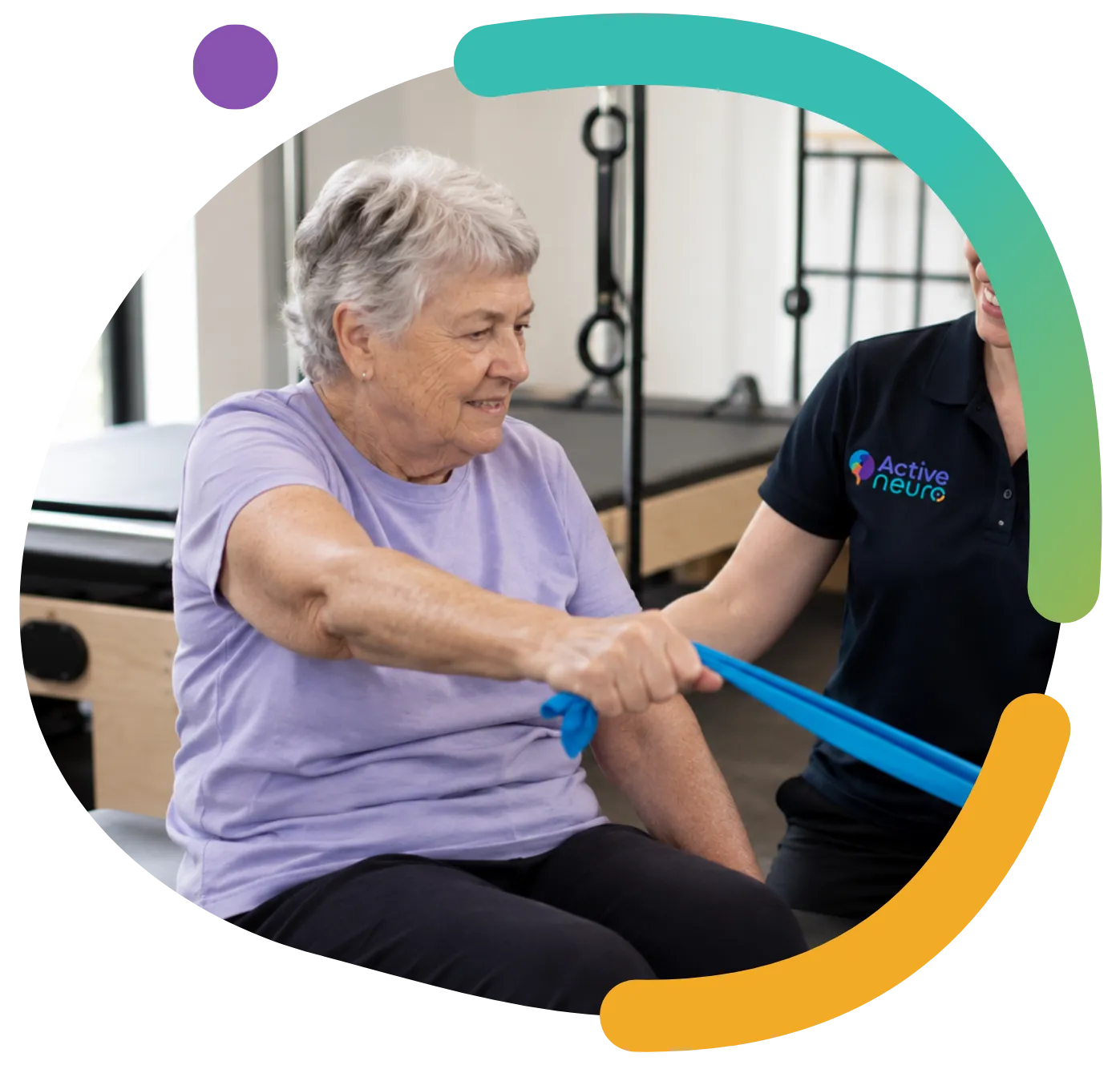
Individual Physiotherapy
One-to-one rehabilitation with your Physiotherapist.
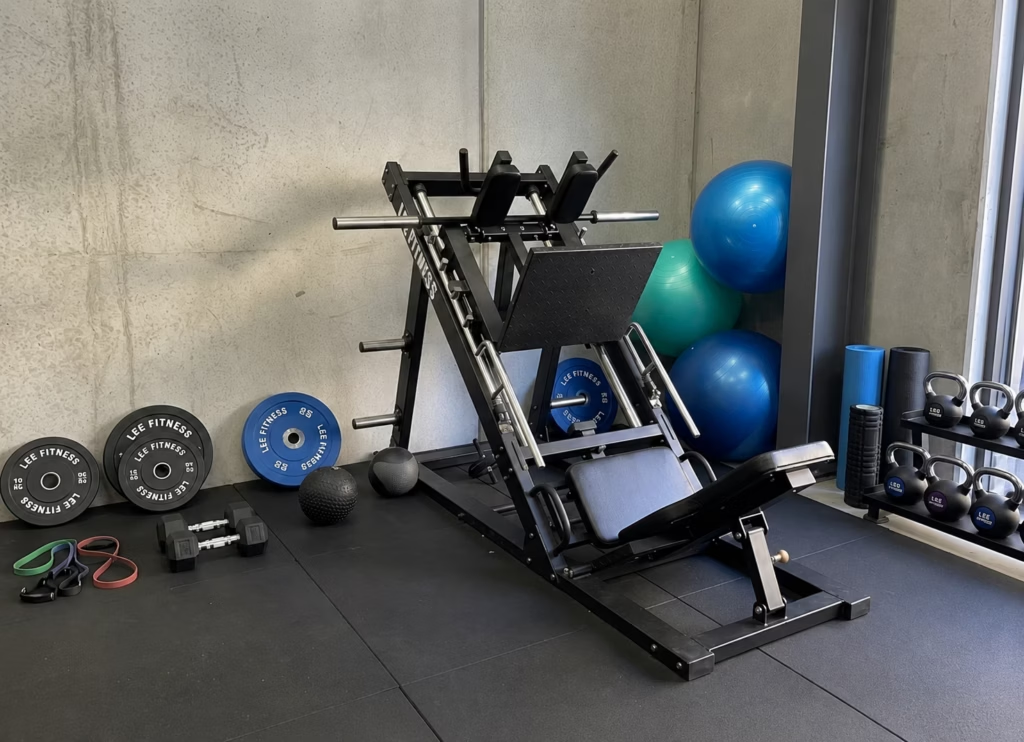
Gym-based rehabilitation
Using the dedicated Active Neuro gym to practise movement, walking, balance, strength or functional tasks.
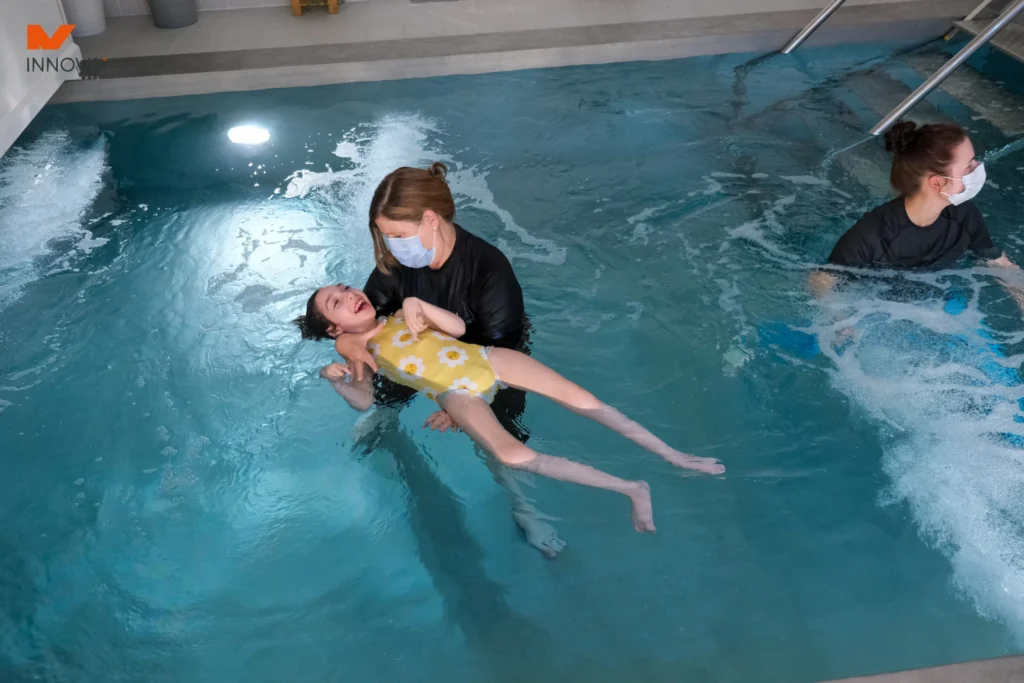
Hydrotherapy
Warm-water rehabilitation may be considered where the aquatic environment is appropriate for your goals.

Home exercise
You may be provided with activities or exercises to complete between appointments where appropriate.

Exercise Physiology
As your needs change, an Exercise Physiologist may become involved to further develop areas such as strength, endurance, fitness and ongoing exercise.
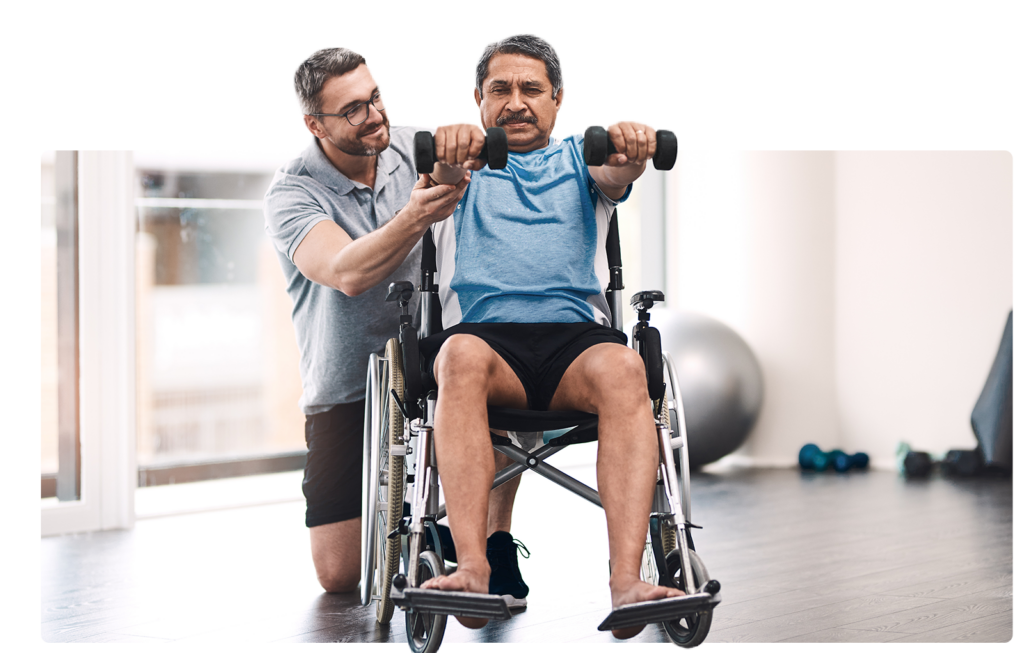
Group exercise
Some clients may eventually progress into a supported neurological exercise group. Your rehabilitation plan can change as your abilities and goals change.
- THE ACTIVE NEURO GYM
Space to practise movement
Neurological rehabilitation often involves repetition and practice.
That can be difficult to achieve in a small treatment room.
Active Neuro has a dedicated neurological rehabilitation gym at our Welland facility, providing space for activities involving:.
This allows your Physiotherapist to select an environment appropriate to the activity being practised.
- Walking
- Balance
- Strength
- Functional movement
- Transfers
- Exercise
- Mobility
- Physical conditioning
- HYDROTHERAPY
Physiotherapy in warm water
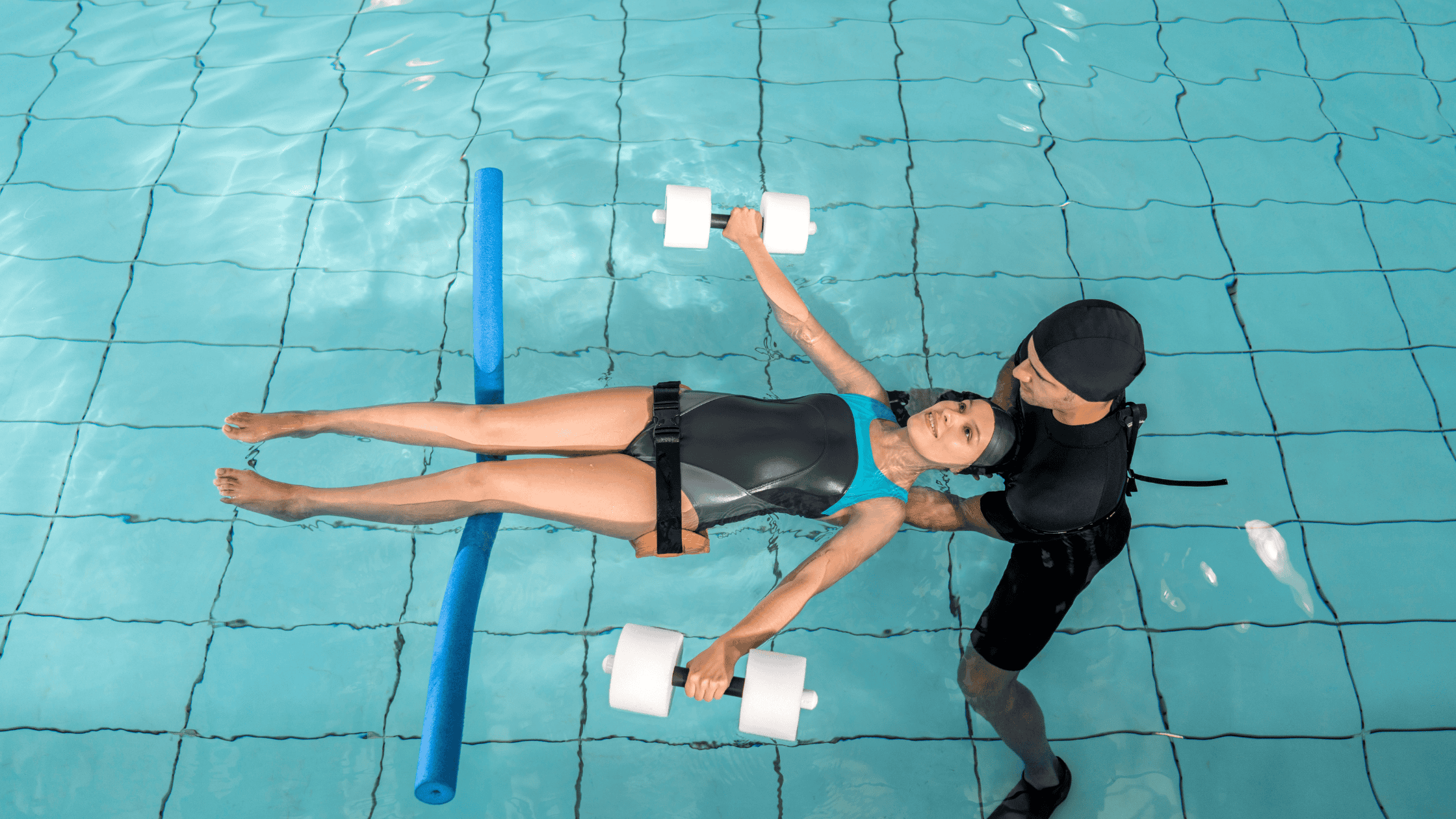
Some clients may also complete part of their rehabilitation in the pool.
Active Neuro has access to two hydrotherapy pools heated to approximately 34°C, located at the same Welland facility as our neuro gym.
Water changes the physical environment in which movement takes place.
Its buoyancy can reduce the amount of body weight supported during some activities, while water resistance can be used during exercise.
A Physiotherapist can assess whether hydrotherapy is appropriate for your presentation and rehabilitation goals.
- VESTIBULAR PHYSIOTHERAPY
When dizziness and balance are part of the problem
Balance isn’t controlled by one part of your body. Your brain uses information from your inner ear, vision and sensory information from your muscles and joints to understand where your body is and help maintain balance. When part of this system isn’t functioning as expected, people can experience symptoms such as:
- Vertigo
- Dizziness
- Unsteadiness
- Reduced balance
- Difficulty walking
- Symptoms triggered by moving the head
- Visual disturbance during movement
A vestibular problem doesn’t always feel like spinning. Some people primarily notice that they feel unsteady or that their balance simply isn’t what it used to be.
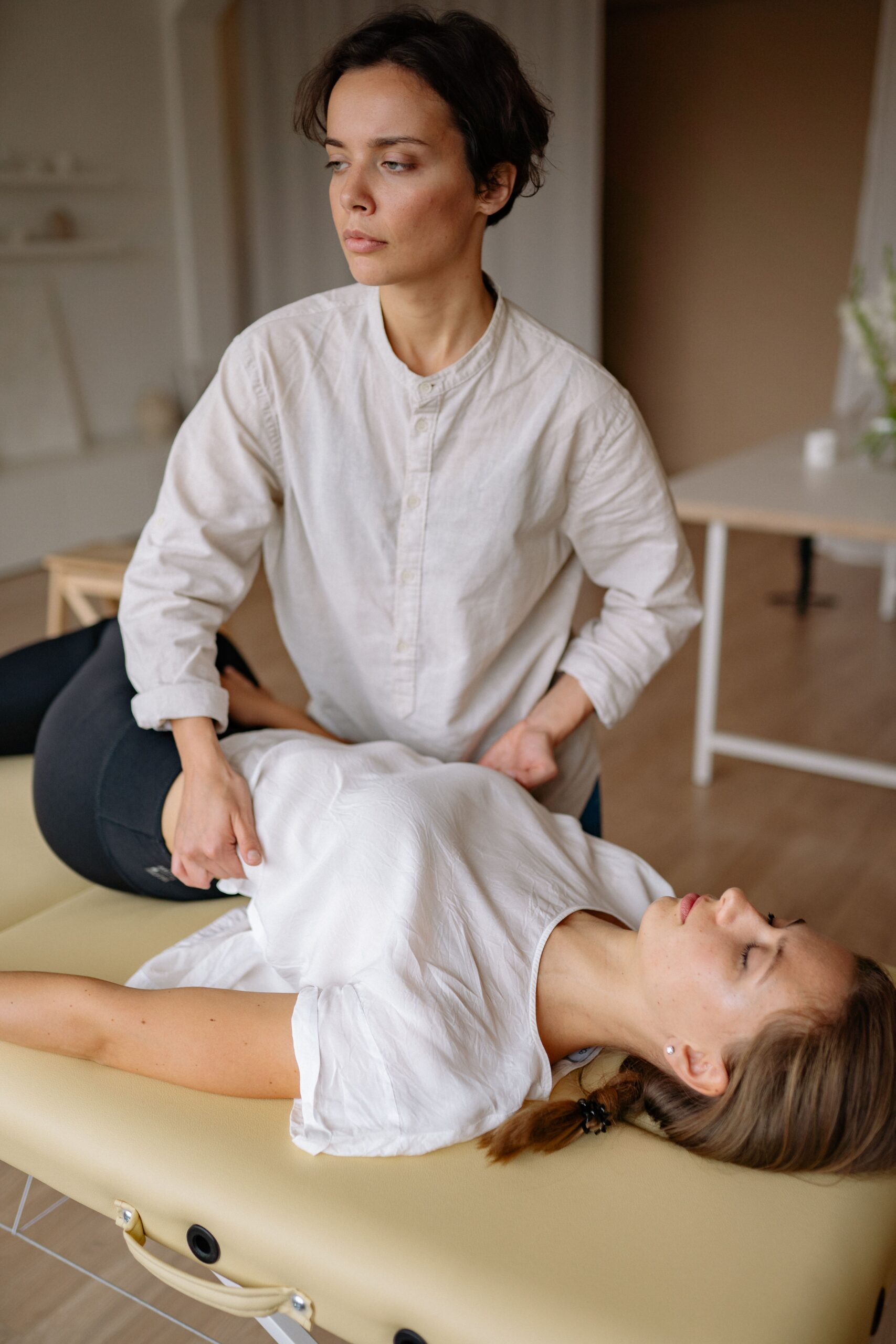
Our Physiotherapists can perform vestibular assessment and, where appropriate, use dedicated technology to help assess and rehabilitate particular vestibular presentations.
- PHYSIOTHERAPY + EXERCISE PHYSIOLOGY
Different professions can contribute at different stages
Physiotherapy and Exercise Physiology can both form part of neurological rehabilitation, but they aren’t the same service. A Physiotherapist may have a greater focus on assessing and rehabilitating specific movement and physical-function problems. An Exercise Physiologist uses individualised exercise prescription to develop or maintain physical capacity, including areas such as strength, endurance and fitness. For some Active Neuro clients, the rehabilitation journey may involve both. For example:
Physiotherapy
Assessment → movement → walking → balance → mobility → functional rehabilitation
Exercise Physiology
Strength → endurance → fitness → physical capacity → ongoing exercise
Supported Group Exercise
Building confidence and consistency with longer-term physical activity This isn't a fixed pathway. Some people may only require one service, while others may move between services according to their needs.
- MEET YOUR PHYSIOTHERAPISTS
Physiotherapists at Active Neuro
Connor
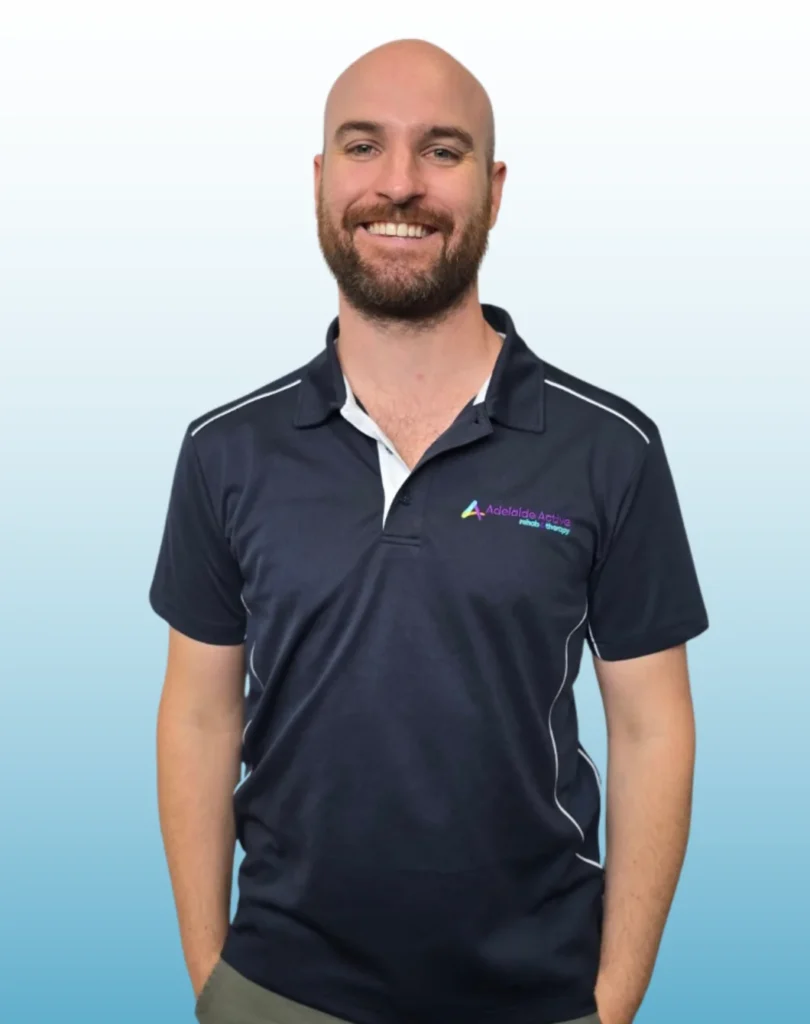
Physiotherapist Team Lead Connor has more than a decade of physiotherapy experience. During his Master of Physiotherapy, Connor developed a particular interest in neurological conditions, with Multiple Sclerosis forming the focus of his research. His clinical interests have since expanded to include vestibular and balance disorders, headaches and migraines. Connor's approach combines individual assessment with exercise-based rehabilitation focused on helping clients work towards confident movement.
Jacqui
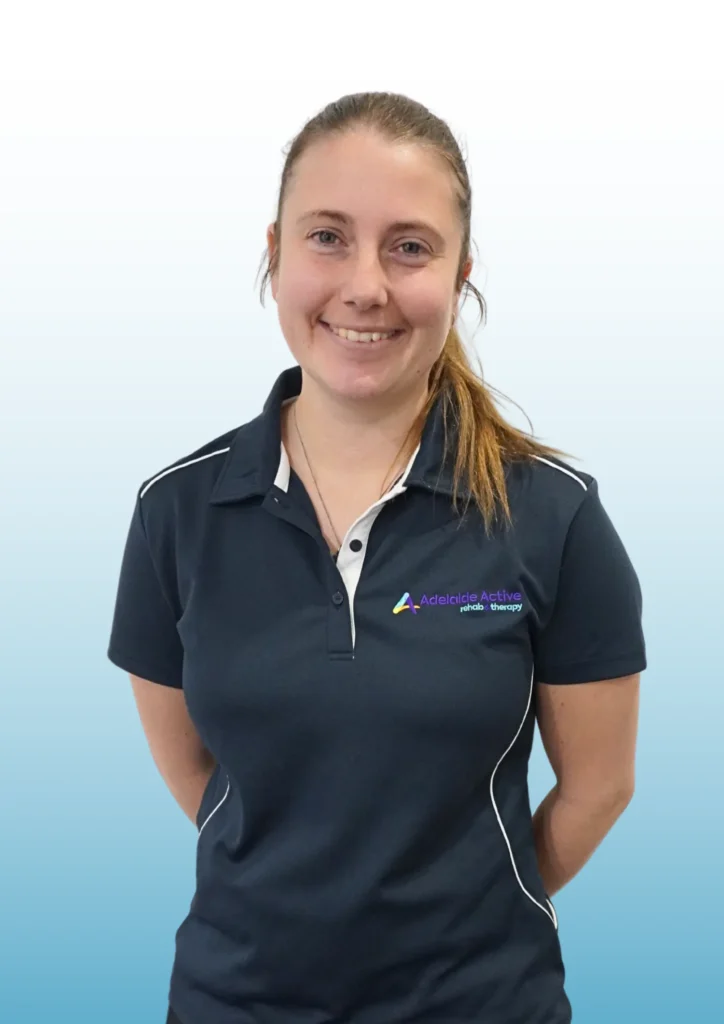
Jacqui has experience across neurological, musculoskeletal and paediatric physiotherapy, with neurological rehabilitation and hydrotherapy among her clinical interests. She has a strong interest in goal-oriented rehabilitation and helping clients improve function, mobility and independence. Areas of interest relevant to Active Neuro: Neurological rehabilitation · Hydrotherapy · Mobility · Functional rehabilitation · Goal-oriented care
- FROM REHABILITATION TO ONGOING EXERCISE
What happens when you're ready for more independence?
Individual Physiotherapy doesn’t necessarily need to continue forever.
For some clients, an important rehabilitation goal is developing the confidence and physical ability to exercise with less individual clinical support.
When appropriate, your Physiotherapist may help you transition towards:
- Exercise Physiology
- A home exercise program
- Independent gym exercise
- The Active Neuro Gym Group
- The Parkinson's Gym Group
- Other appropriate community-based physical activity
The pathway depends on your condition, abilities, safety and goals.
- FAQs
Physiotherapy FAQs
No referral is required for private clients.
You can contact Active Neuro directly.
Some funding pathways may require a referral or other documentation.
Neurological Physiotherapy focuses on movement and physical-function changes associated with conditions affecting the brain, spinal cord and nervous system.
The assessment and rehabilitation strategies are selected according to the neurological presentation and individual goals.
Physiotherapy is commonly involved in rehabilitation following stroke.
What rehabilitation involves depends on how the stroke has affected the individual and may include work on areas such as walking, balance, movement, mobility, strength and physical function.
[Learn About Stroke Rehabilitation]
Physiotherapy can form part of the multidisciplinary management of Parkinson's disease, particularly where changes in movement, walking, balance or physical function are present.
[Learn About Parkinson's Rehabilitation]
- LOCATION
Neuro Physiotherapy in Adelaide
Active Neuro provides neurological Physiotherapy from our dedicated rehabilitation facility in Welland.
Active Neuro
111A Welland Avenue
Welland SA 5007
At the same location, clients can access our:
- Dedicated neuro gym
- Two 34°C hydrotherapy pools
- Physiotherapy
- Exercise Physiology
- Group neurological exercise programs
- Rehabilitation technology
- Contact uS
Your next step starts with a conversation.
Whether you’re looking for rehabilitation for yourself, helping a family member or referring a client, our team can help you understand the options available at Active Neuro.