
Vestibular Rehabilitation Adelaide
Assessment and rehabilitation for dizziness, vertigo, unsteadiness and balance problems.
The vestibular system is one of the key systems involved in balance.
When it isn’t working as expected, you may feel dizzy, unsteady, off-balance or disoriented — and not everyone experiences obvious spinning.
At Active Neuro in Welland, our Physiotherapists assess vestibular and balance problems and provide individual rehabilitation based on your symptoms, assessment findings and goals.
- WHAT IS THE VESTIBULAR SYSTEM
Your inner ear is only one part of balance
Inside your inner ear is a system that helps your brain understand how your head is moving and where you are in space.
But balance doesn’t come from the inner ear alone.
Your brain combines information from:
- Your vestibular system in the inner ear
- Your eyes
- Your brain and nervous system
- Sensory information from your muscles and joints
When one part of this system isn’t functioning as expected, your brain may receive information that doesn’t match.
That can make movement and balance feel very different.
- WHAT CAN CAUSE VERTIGO OR BALANCE PROBLEMS?
There are many possible causes
Dizziness and balance problems are symptoms, not diagnoses.
They can occur for many different reasons.
Possible causes may include:
Inner ear disorders
Conditions affecting the vestibular organs or nerves in the inner ear can cause vertigo, dizziness and imbalance.
BPPV
Benign Paroxysmal Positional Vertigo — commonly known as BPPV — occurs when tiny calcium carbonate particles within the inner ear move into an area where they interfere with normal vestibular signals. Symptoms are often triggered by changes in head position.
Vestibular neuritis or labyrinthitis
Inflammation affecting parts of the vestibular system can cause significant dizziness, vertigo and balance problems.
Vestibular migraine
Some people experience dizziness, vertigo, imbalance or motion sensitivity associated with migraine. Headache doesn't always occur at the same time.
Stroke
Stroke can affect areas of the brain involved in balance, eye movement and processing vestibular information.
Multiple Sclerosis
MS can affect pathways involved in balance, coordination and sensory processing.
Concussion or head injury
A head injury can affect vestibular, visual and neurological systems and may contribute to dizziness or balance problems.
Other Neurological Conditions
Conditions involving the brain and nervous system can affect balance in different ways. Because there are many possible causes, assessment matters.
- WHEN SHOULD I SEEK URGENT MEDICAL CARE?
Some dizziness needs medical assessment first
Not every episode of dizziness is appropriate for Physiotherapy.
Sudden severe dizziness can sometimes occur alongside serious medical conditions.
Seek urgent medical attention if dizziness or vertigo occurs with symptoms such as:
- New weakness or numbness
- Facial drooping
- Difficulty speaking
- Sudden severe headache
- New double vision
- Loss of consciousness
- New severe difficulty walking
- Sudden changes in coordination
- Chest pain or other concerning symptoms
If you’re unsure whether your symptoms may be urgent, seek medical assessment.


- BPPV
What are the “crystals in the ear”?
People sometimes hear that vertigo can be caused by “crystals in the ear.”
Your inner ear contains very small calcium carbonate particles that normally sit within part of the vestibular system.
This can lead to short episodes of vertigo, often triggered by movements such as:
- Rolling over in bed
- Lying down
- Getting out of bed
- Looking up
- Bending over
- Turning the head
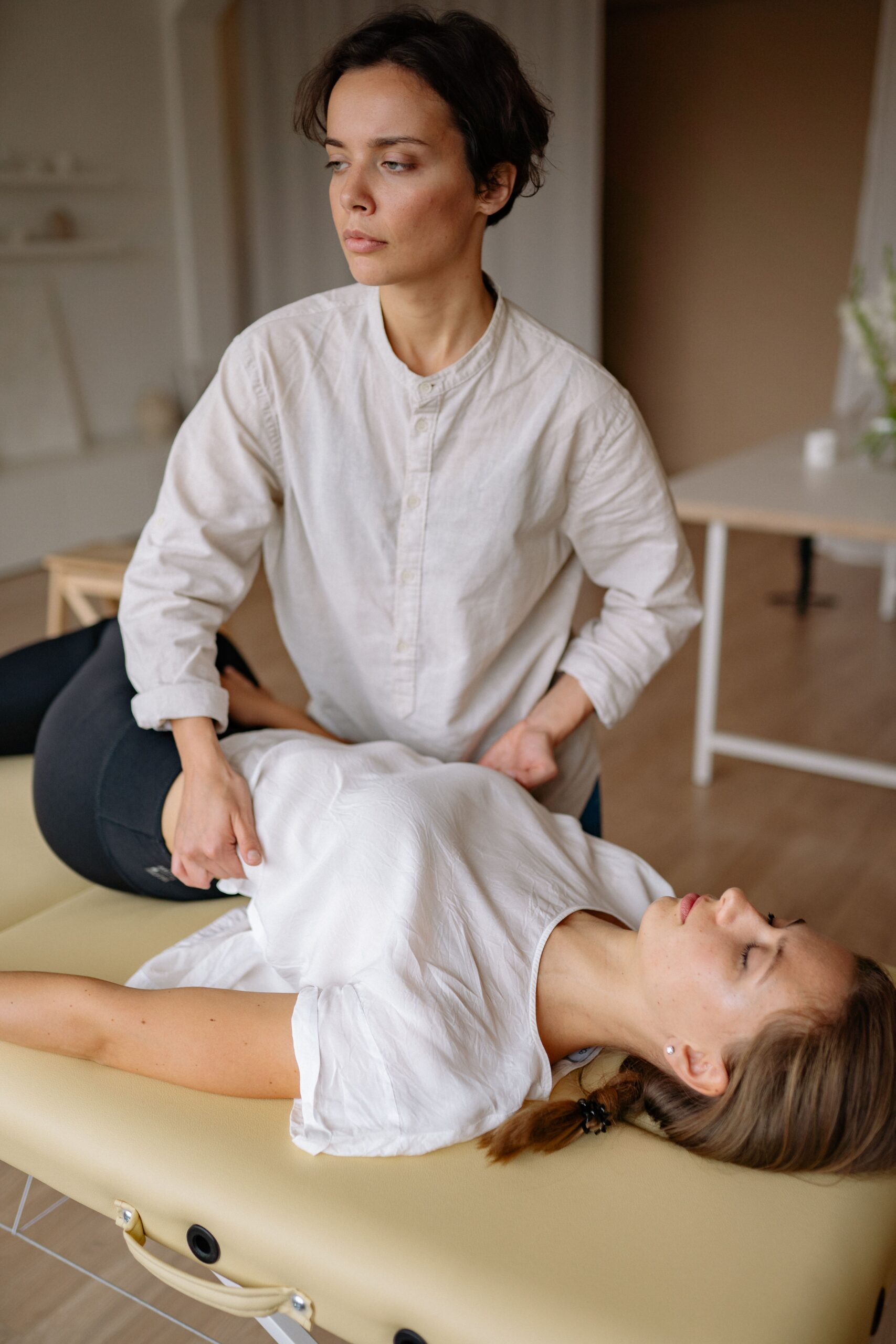
A Physiotherapist trained in vestibular assessment can perform positional testing to determine whether BPPV may be present.
If BPPV is identified and treatment is appropriate, specific repositioning manoeuvres may be used.
- NOT ALL DIZZINESS IS BPPV
Why assessment is important
BPPV is common, but it isn’t the only cause of dizziness.
Symptoms may also relate to:
- Other inner ear disorders
- Migraine
- Neurological conditions
- Concussion
- Visual problems
- Medication
- Cardiovascular factors
- Other medical causes
This is why treating every person with dizziness using the same manoeuvre or exercise program is not appropriate.
The first step is understanding the pattern of symptoms and assessment findings.
- FEELING OFF-BALANCE WITHOUT VERTIGO
Can I have a vestibular problem without spinning?
Yes.
Not everyone with a vestibular or balance problem experiences classic spinning vertigo.
Some people primarily notice:
- Unsteadiness while walking
- Reduced confidence
- Difficulty turning quickly
- Trouble walking while moving the head
- Difficulty in low light
- Sensitivity to busy environments
- A general feeling of being “off”
- Difficulty keeping vision clear while moving
These symptoms can still involve the vestibular or broader balance system.
An assessment can help determine whether vestibular rehabilitation may be appropriate.
- EVIDENCE-BASED VESTIBULAR REHABILITATION
What does the evidence support?
Vestibular rehabilitation is supported by clinical guidelines for several peripheral vestibular disorders.
Evidence supports the use of targeted rehabilitation approaches such as:
- Gaze-stability exercises
- Balance training
- Habituation where appropriate
- Functional movement practice
- Canalith repositioning procedures for appropriate BPPV presentations
The correct intervention depends on the diagnosis and assessment findings.
This is why accurate assessment should come before treatment.
- FAQs
Vestibular Rehabilitation FAQs
Vestibular rehabilitation is a form of Physiotherapy used to assess and manage appropriate dizziness, vertigo and balance disorders.
Treatment may include gaze-stability exercises, balance rehabilitation, head-movement exercises, habituation, walking activities or repositioning manoeuvres depending on the diagnosis.
Yes.
Some people with vestibular problems do not experience spinning.
They may instead feel unsteady, off-balance, visually disoriented or less confident while walking.
Vertigo can have several causes, including inner ear conditions such as BPPV, vestibular neuritis, vestibular migraine, stroke, Multiple Sclerosis and head injury.
Because the causes differ, assessment is important before treatment.
The term “ear crystals” usually refers to tiny calcium carbonate particles within the inner ear.
If these particles move into the wrong part of the vestibular system, they can cause BPPV and short episodes of positional vertigo.
Appropriately trained Physiotherapists can assess for BPPV.
When BPPV is identified and treatment is appropriate, specific repositioning manoeuvres can be used.
Busy visual environments can cause symptoms in some people with vestibular or visual-motion sensitivity.
The brain uses visual information as part of balance, and environments with lots of visual movement can become difficult when these systems are not working together comfortably.
- Contact uS
Your next step starts with a conversation.
Whether you’re looking for rehabilitation for yourself, helping a family member or referring a client, our team can help you understand the options available at Active Neuro.