
Multiple Sclerosis Rehabilitation Adelaide
Physiotherapy, Exercise Physiology and neurological rehabilitation for adults living with MS.
Multiple Sclerosis can affect movement, balance, walking, strength, fatigue and physical capacity — but the way it affects one person can be very different from another.
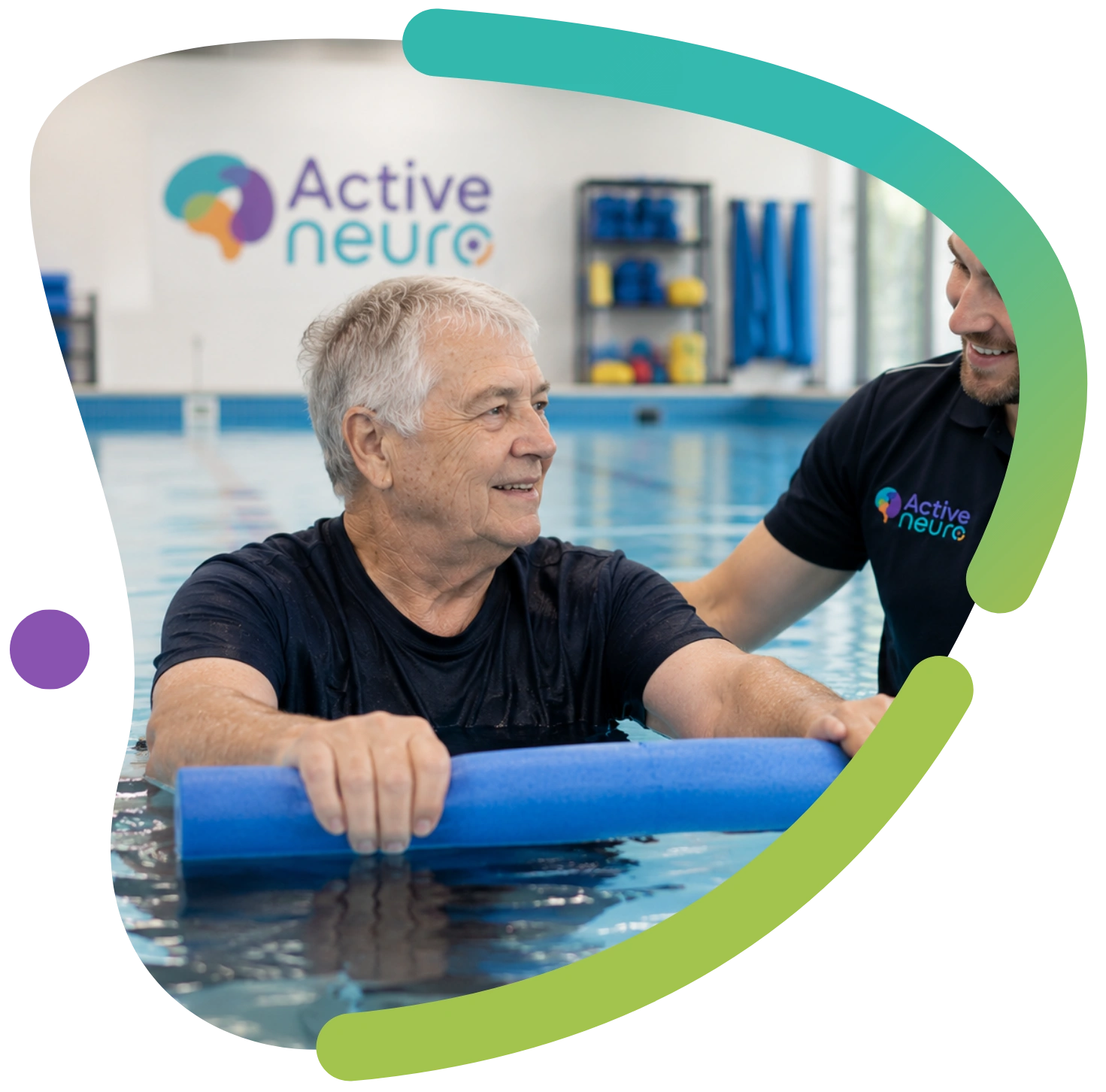
Active Neuro provides individual Physiotherapy, Exercise Physiology, hydrotherapy and gym-based neurological rehabilitation for adults living with MS in Adelaide.
Whether you are newly diagnosed, experiencing changes in mobility or looking for a sustainable way to remain physically active, we’ll build your rehabilitation or exercise program around your symptoms, abilities and goals.
- UNDERSTANDING MULTIPLE SCLEROSIS
What is Multiple Sclerosis?
Multiple Sclerosis, commonly called MS, is a neurological condition affecting the central nervous system — the brain and spinal cord.
MS can disrupt the way messages travel between the brain and the rest of the body.
This can lead to a wide range of symptoms.
Physical symptoms may include:
- Muscle weakness
- Fatigue
- Balance changes
- Difficulty walking
- Changes in coordination
- Muscle stiffness or spasticity
- Changes in sensation
- Reduced endurance
- Tremor
- Dizziness
- Reduced physical conditioning
Not everyone experiences all of these symptoms.
Symptoms can also change over time.
That’s why MS rehabilitation should be individual rather than diagnosis-driven.
- EVERY PERSON WITH MS IS DIFFERENT
Your MS isn't someone else's MS
One person living with MS may walk independently, work and exercise regularly.
Another may use a walking aid.
Someone else may use a wheelchair for some or all of their mobility.
Symptoms may also vary from day to day.
Your rehabilitation needs can therefore depend on:
Your current symptoms
Mobility
Balance
Strength
Fatigue
Heat sensitivity
Exercise tolerance
Other health conditions
Current level of activity
Stage and course of MS
Your personal goals
We start by understanding how MS is affecting you.


- NEWLY DIAGNOSED?
Exercise doesn't need to wait
Being diagnosed with MS can create uncertainty about what you should and shouldn’t do physically.
You might wonder:
- Should I exercise?
- Can exercise make MS worse?
- How hard should I exercise?
- Should I avoid getting hot?
- What if I'm already fatigued?
- Do I need Physiotherapy if I can still walk normally?
An early assessment can help establish:
Current strength
Balance
Fitness
Mobility
Exercise capacity
Baseline physical measures
An appropriate exercise routine
You don’t necessarily need to wait until mobility becomes difficult before seeking advice.
- EXERCISE PHYSIOLOGY FOR MS
Finding the right amount of exercise
Exercise Physiology can be particularly useful for people living with MS because exercise often needs to balance two things:
Doing enough to create an appropriate physical challenge
without
Creating a program that you cannot realistically tolerate or sustain.
An Exercise Physiologist can assess your current capacity and develop an individual program around areas such as:
Strength
Building or maintaining muscle strength.
Balance
Incorporating appropriate balance challenges.
Cardiovascular Fitness
Developing aerobic capacity using appropriate forms of exercise.
Physical Conditioning
Maintaining or developing overall physical capacity.
Endurance
Improving your ability to sustain physical activity.
Exercise Confidence
Helping you understand what and how to exercise.
- FATIGUE + MS
“I'm already tired. Won't exercise make it worse?”
Fatigue is one of the most commonly reported symptoms of MS.
And it is not necessarily the same as ordinary tiredness after a busy day.
MS-related fatigue can have a significant impact on:
- Work
- Exercise
- Walking
- Household activities
- Social participation
- Concentration
- Daily routines
This can make exercise feel counterintuitive.
But avoiding activity completely can contribute to reduced fitness and physical conditioning, which may make everyday activity more demanding.
The challenge is finding an appropriate dose of activity.

- STRENGTH TRAINING + MS
Should people with MS lift weights?
Resistance exercise can form part of an appropriate MS exercise program.
Strength training may involve:
- Accessible cable weights
- Free weights
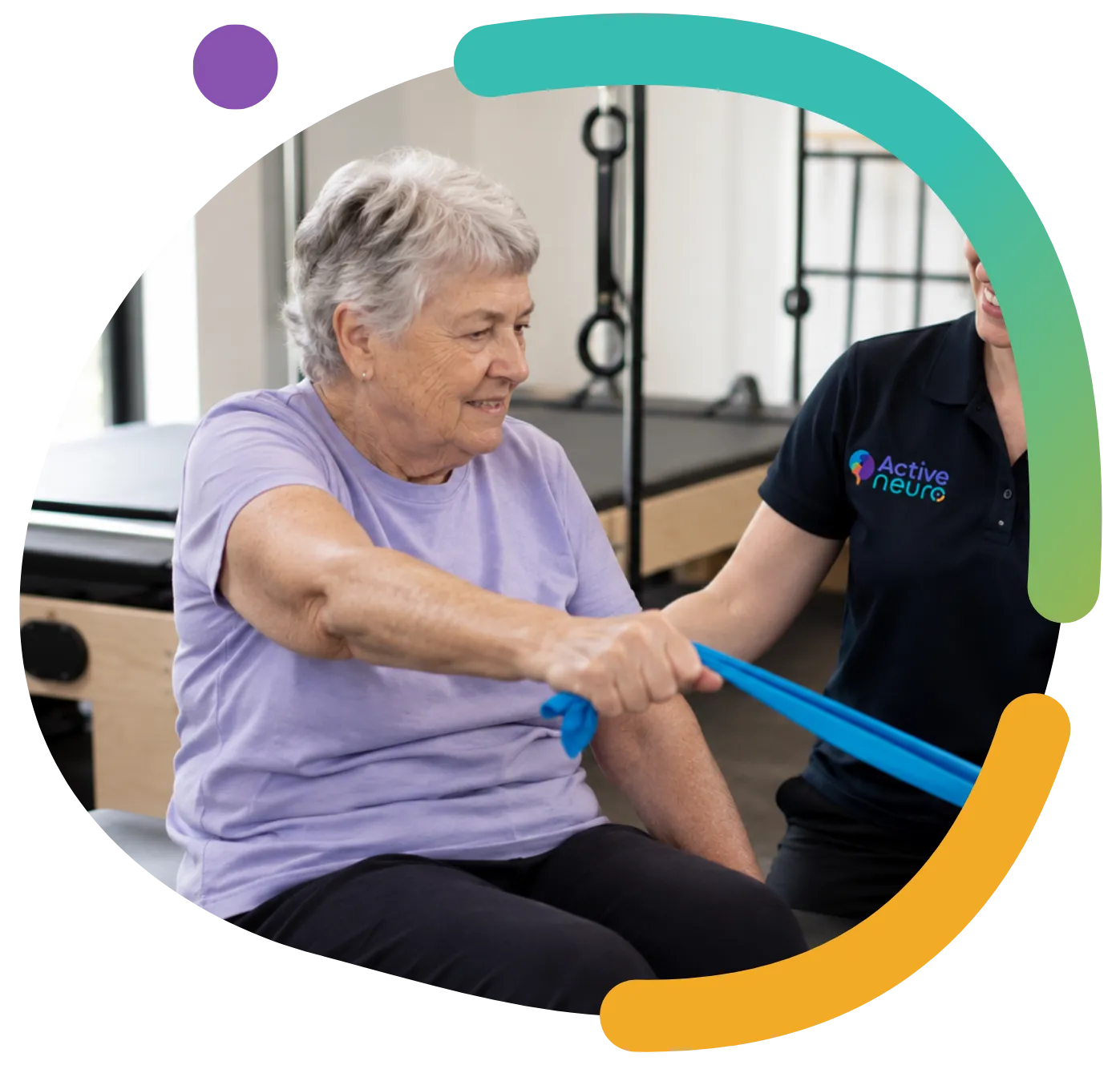
- Resistance bands
- Body-weight exercise
- Functional strengthening
- Stair practice
At Active Neuro, resistance can be adapted around your current abilities.
For someone experiencing significant fatigue or weakness, this might look very different from a conventional gym program.

- Contact uS
MS changes. Your exercise can change with it.
Whether you have recently been diagnosed, want to establish an exercise routine or are experiencing changes in strength, fatigue, balance or mobility, we’ll help you find an appropriate starting point.